In the field of alternative fuel processing, it is a common process to pelletize fluffy RDF (Refuse Derived Fuel) into pellets by using the RDF pellet machine to enhance the product's storage, transportation performance, and combustion stability. In practice, some producers consider adding wood chips into the fluffy RDF material to adjust fuel characteristics and optimize finished product quality. This article explains the feasibility, addition suggestions, and practical advantages of this practice, based on relevant technical parameters and operational experience.
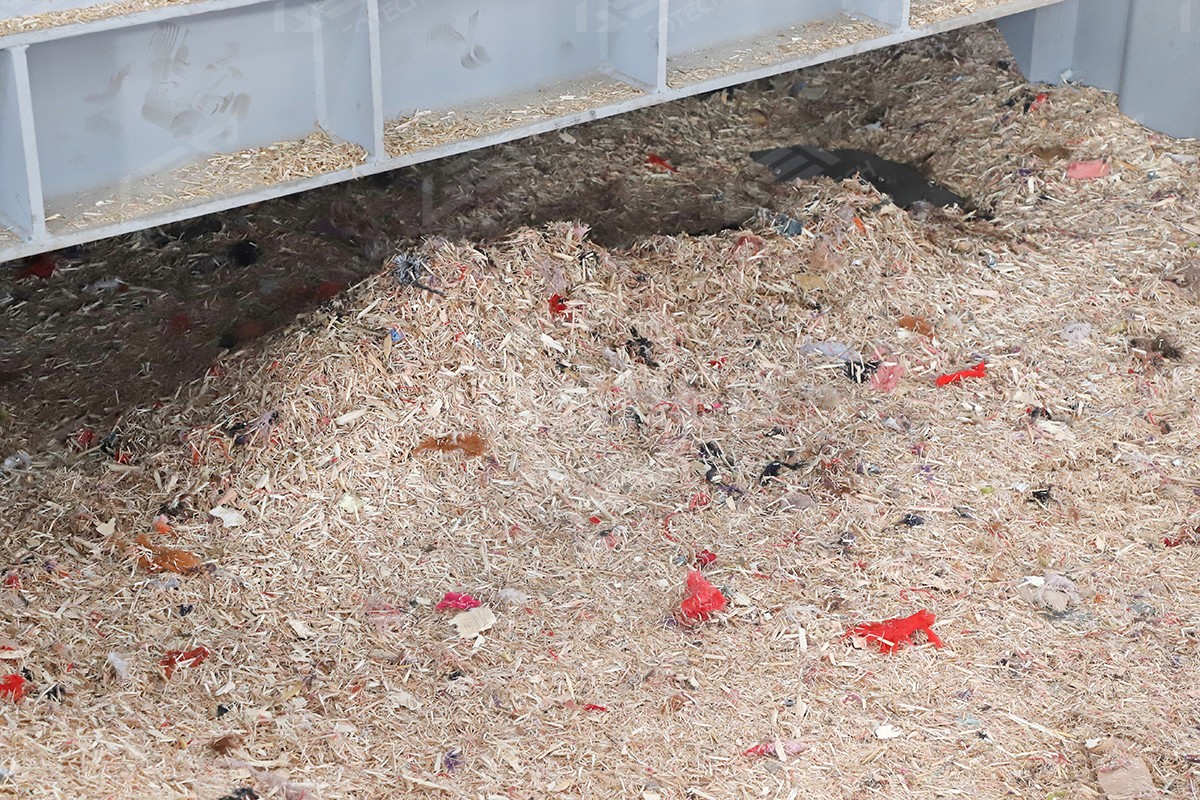
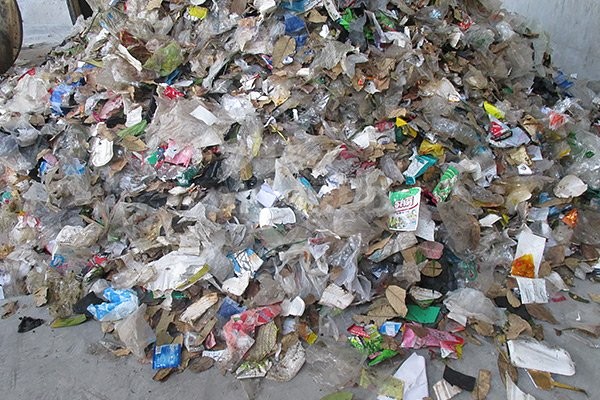
Feasibility of Adding Wood Chips
From a technical perspective, it is feasible to incorporate wood chips into fluffy RDF material for pelletizing. Fluffy RDF material is mainly composed of combustible components such as plastics, paper, and textiles. Its pelletizing primarily relies on mechanical extrusion to interlock material particles. Wood chips, as a biomass material, has a relatively high lignin content, which can play a certain binding role during the extrusion process. After mixing the two, under suitable temperature and pressure conditions in the pellet machine, they can pelletize fuel pellets with a uniform structure and high density.
In actual production, there are already many cases where RDF and wood chips are mixed for pelletizing, applied in energy-consuming scenarios such as industrial boilers and cement kilns. This practice does not alter the basic working principle of the RDF pellet machine; it only requires corresponding adjustments to the feeding system and process parameters.
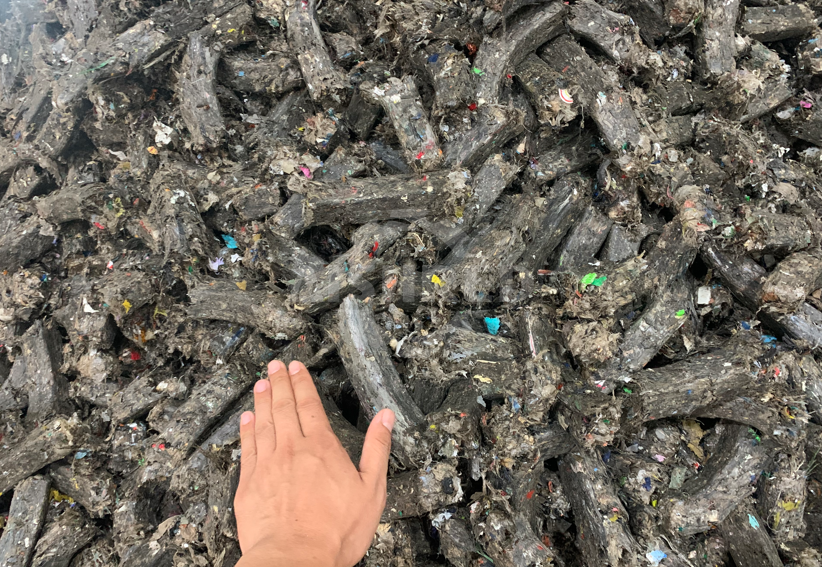
Main Parameter Suggestions for Adding Wood Chips
To ensure the stability of the pelletizing process and the quality of the finished product, the addition of wood chips needs to be controlled from the following aspects.
Particle Size
The particle size of wood chip is one of the key factors affecting the pelletizing effect. It is recommended that the maximum size of wood chip be controlled below 4 mm and should not exceed 6 mm. When the particle size is too large, the fluidity and filling uniformity of the material within the mold will decrease, potentially leading to increased pelletizing resistance, rough fuel pellet surfaces, or insufficient strength. If the proportion of coarse particles in the wood chips is high, it is recommended to screen or shred it before entering the RDF pellet machine.
Addition Ratio
The addition ratio of wood chips can be flexibly adjusted based on fuel application and raw material costs, with a common range between 10% and 50%. The specific ratio needs to be determined through experiments considering the pelletizing machine model, mold structure, and the compressibility of the mixed material. It is recommended to start trial production with a lower ratio (e.g., 10%-20%), observe the pelleting current, discharge status, and finished product strength, and then gradually optimize the proportion.
Moisture Control
The moisture content of the mixed material before pelletizing significantly affects the pelletizing process. Considering most equipment and raw material conditions, it is more suitable to control the overall moisture content of the material between 15% and 20%, and it should not exceed 25%. When the moisture content is too low, the bonding force between particles is insufficient; when it is too high, it can easily lead to increased pelletizing energy consumption, mold blockage, or mold growth in the finished product during storage. Therefore, when incorporating wood chips, it is necessary to measure the moisture content of the wood chips itself, perform a balance calculation with the moisture content of the fluffy RDF material, and add a drying process if necessary.
Practical Advantages of Adding Wood Chips
Appropriately adding wood chips during the RDF pelletizing process can bring about the following practical effects.
Improved Physical Properties of Finished Product
Wood chips fibers help enhance the internal bonding force of the fuel pellet during extrusion. Studies have shown that fuel pellets pelletized by mixing RDF with wood chips have improved density, vibration durability, and crush resistance compared to those pelletized from RDF alone or wood chips alone. For transportation and storage, higher durability means lower losses.
Enhanced Stability of Fuel Calorific Value
The calorific value of fluffy RDF material fluctuates due to variations in its source. Wood chips, as a biomass fuel with relatively stable composition, can help stabilize the calorific value fluctuation of the mixed fuel to a certain extent after incorporation, making the combustion process more controllable. Additionally, the calorific value of wood chips is typically higher than some inert components in RDF, potentially increasing the overall calorific value.
Reduced Combustion Pollutant Emissions
During the combustion process of the mixed fuel, due to the different volatile matter release characteristics of wood chips compared to RDF, the combustion conditions are more uniform. Some test data show that the CO, CO₂, and NOx emission concentrations of RDF and wood chips mixed fuel are lower than those of pure RDF fuel, offering certain advantages in terms of environmental protection indicators.
Utilization of Lignin's Binding Effect
The lignin in wood chips softens when heated during the pelletizing process, acting as a natural binder, which helps reduce the reliance on additional additives during pelletizing and lowers auxiliary material costs.
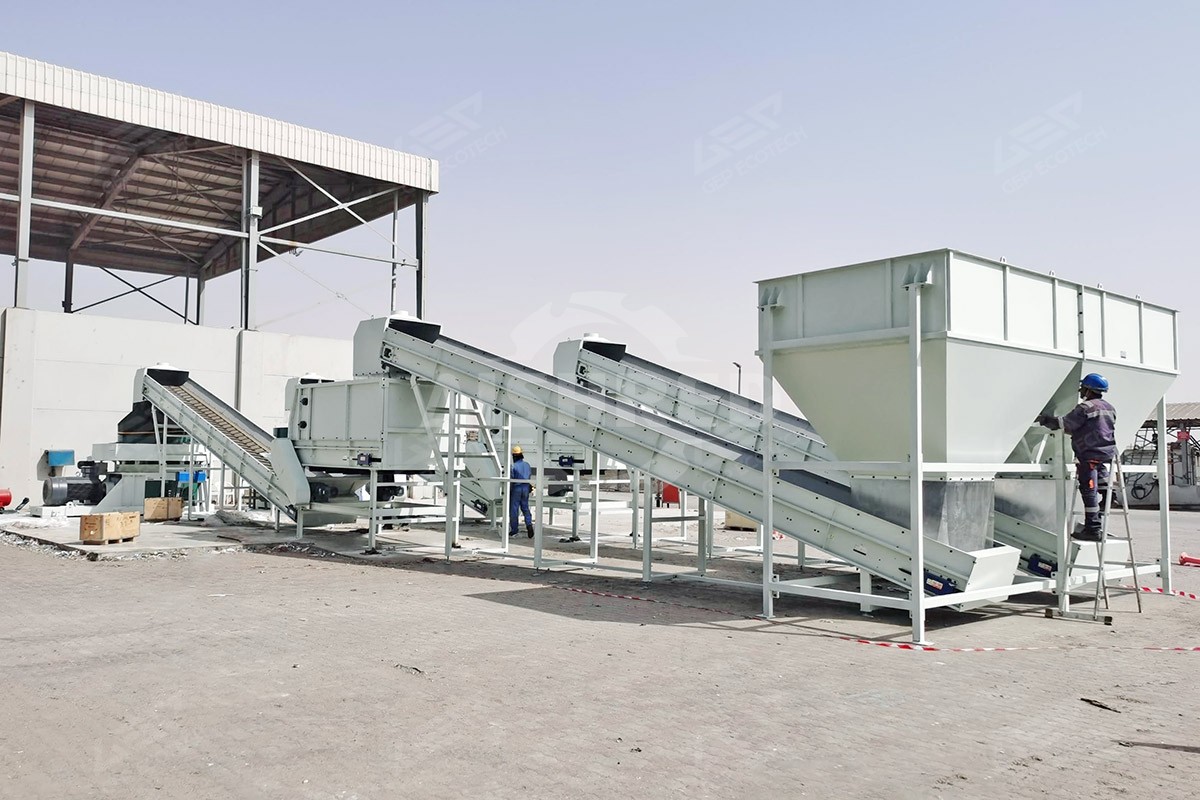
Equipment Configuration and Operational Suggestions
GEP ECOTECH has extensive experience and project cases in the RDF pellet production industry. For production lines planning to use mixed pelletizing of RDF and wood chips, we recommend configuring two independent dosing systems to measure and feed the fluffy RDF material and wood chips separately. This allows for precise control of the ratio of the two raw materials according to the formulation requirements and facilitates adjustments during production based on raw material changes. Additionally, GEP ECOTECH equips RDF pellet production lines with a uniform feeder to ensure the mixed material enters the mold uniformly, avoiding feeding issues caused by differences in material characteristics. Meanwhile, for practitioners evaluating RDF pellet production processes, during the equipment installation and commissioning phase, GEP ECOTECH's field engineers will assist you in conducting trials starting with a small mixing ratio based on your raw material conditions and equipment capabilities, gradually determining the optimal parameters.
GEP ECOTECH will leverage our years of technical expertise and project experience to provide you with the best and most professional service.