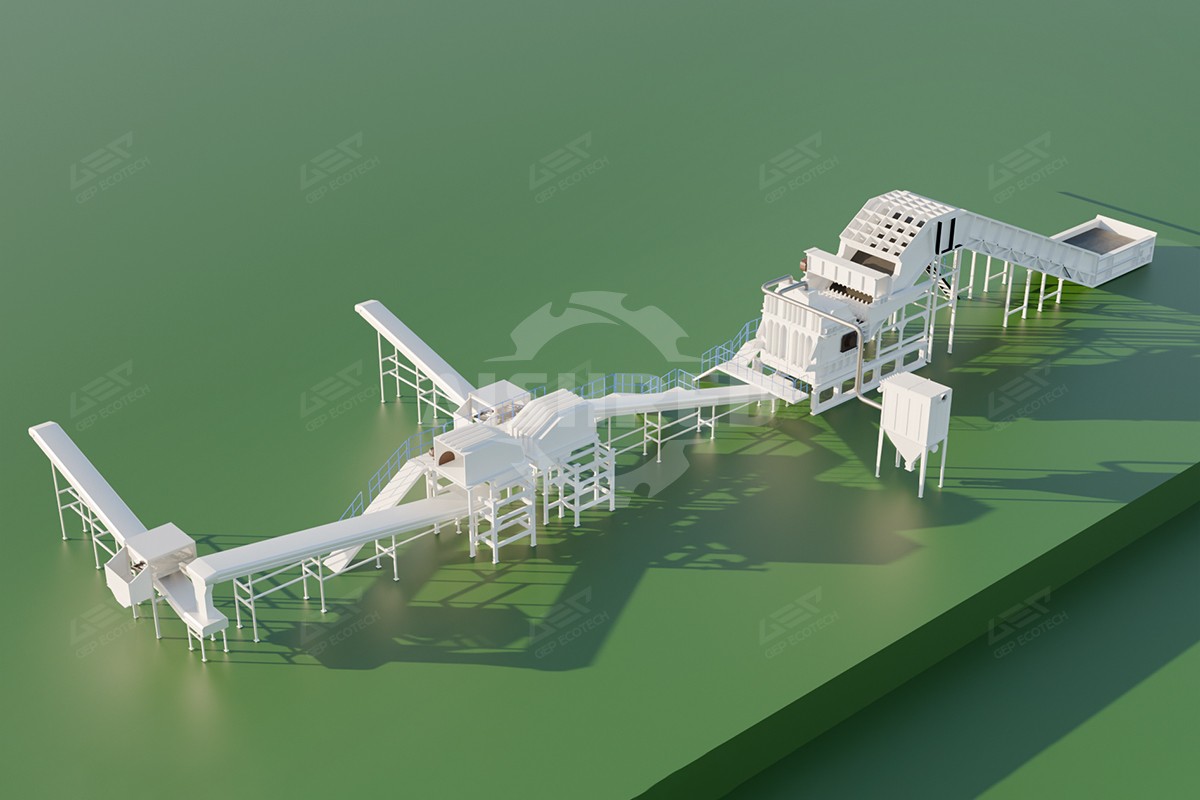
An integrated shredding and sorting line from GEP ECOTECH—dual-shaft shredder, magnetic separator and eddy current separator—engineered to recover metals from e-waste and separate hazardous fractions safely.
Why E-Waste Needs More Than Landfilling
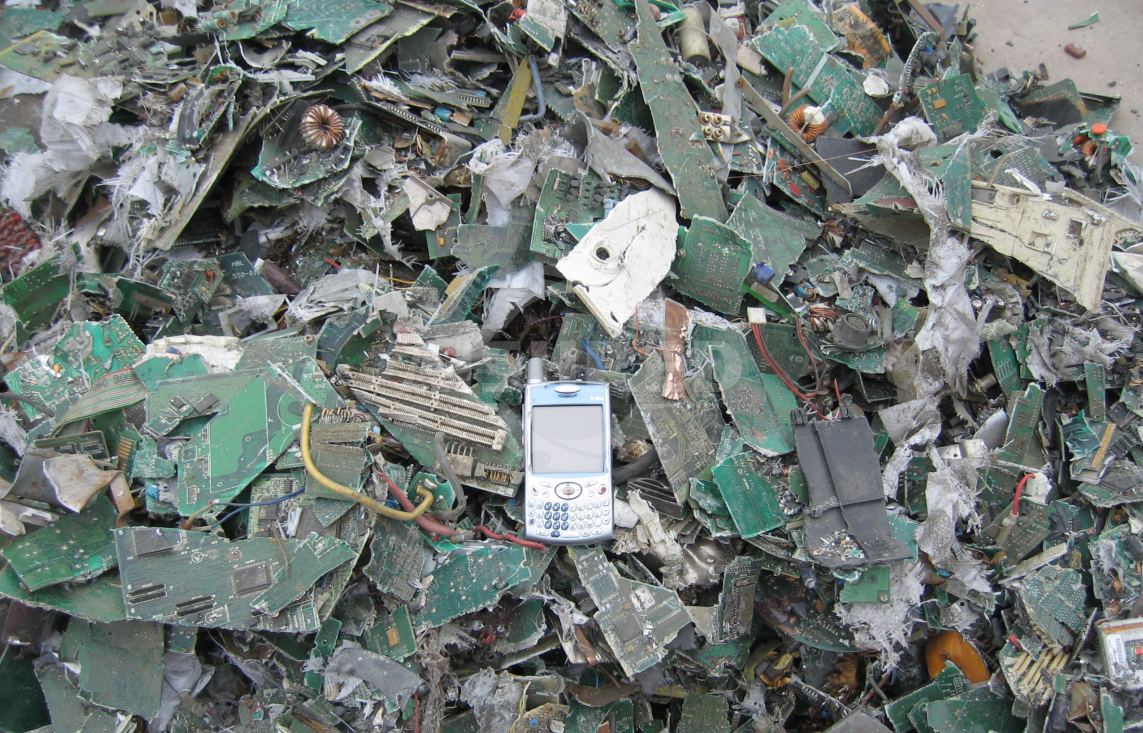
Electronic waste—discarded computers, printers, mobile phones, circuit boards, cables and chargers—is one of the fastest growing solid waste streams in the world. It is also one of the richest "urban mines": a ton of waste printed circuit boards can contain copper, gold, silver and palladium at grades far above those of natural ore.
The problem is the other half of the material. E-waste also carries lead, mercury, cadmium and brominated flame retardants, so neither landfilling nor incineration is compliant—or economical. Mechanical shredding and sorting is the proven route: valuable metals are recovered at scale, while hazardous components are separated out for compliant treatment.
Typical customers we serve include large appliance and IT dismantlers, metal recyclers feeding smelters, licensed WEEE treatment operators, and electronics manufacturers that need irreversible destruction of rejected or confidential products.
Common Disposal Process
- Controlled feeding—a chain plate conveyor delivers whole units and boards at a steady rate, preventing overload and idle running.
- Coarse shredding—a dual-shaft shredder shears and tears bulky items down to smaller pieces with low speed and high torque.
- Ferrous removal—an overband magnetic separator installed above the belt conveyor removes iron and nickel, recovering value and protecting downstream equipment.
- Fine crushing and liberation—a heavy-duty hammer crusher reduces the material further so that metals are fully liberated from resins and fiberglass; this is the step that decides the final recovery rate.
- Non-ferrous recovery—an eddy current separator recovers copper, aluminum and zinc at high purity.
- Clean discharge—a pulse bag dust collector captures dust continuously across the line, filters it through bags and discharges to environmental standards.
For Waste Printed Circuit Boards (PCB) Specifically
The standard three-stage route is: pre-shredding (whole boards to 10–50 mm) → fine shredding and grinding (to 0.2–2 mm for full metal liberation) → separation and enrichment (magnetic separation, eddy current separation and electrostatic separation). Pre-shredding decides the throughput, energy consumption and final recovery rate of the whole line.
Main Equipment
Dual-Shaft Shredder—core machine for coarse shredding
Magnetic Separator—ferrous metal recovery
Heavy-Duty Hammer Crusher—fine crushing and liberation
Eddy Current Separator—non-ferrous metal recovery
Chain Plate Conveyor—stable, controlled feeding
Pulse Bag Dust Collector—environmental compliance
Advantages of the GEP ECOTECH Solution
- Higher metal recovery—two-stage crushing plus two-stage sorting liberates metals fully, so iron, copper and aluminium leave as clean, separate fractions instead of being lost to tailings.
- Controlled, adjustable output—cutters, screens and rotor speeds are tuned to the requirements of your downstream refining, not the other way around.
- Low wear cost per ton—re-weldable alloy cutters, a one-piece cutter box and heat-treated alloy main shafts keep the line running under harsh conditions.
- Intelligent, safe operation—GI smart technology with auto lubrication, real-time monitoring, abnormality alarms and protection against unshreddable objects reduces failure rate and maintenance cost.
- Environmental compliance—enclosed conveying with full-line negative-pressure dust collection; heavy-metal dust is contained and discharged to standard.
- Modular and customizable—from a single machine to a complete production line, configured to your feedstock, capacity, site and budget, with room to expand. GEP ECOTECH supports the full cycle: solution design, manufacturing, on-site installation and commissioning, responsive after-sales and original spare parts, backed by a 66,000 m² manufacturing base and equipment delivered to 100+ countries.
5. Related Cases & References
Selected projects and articles from GEP ECOTECH in e-waste and adjacent fields:
- South Korean Copper Scrap Recycling Project — copper-clad laminates, circuit boards, copper-coated steel scrap and copper shavings shredded to about 10 cm by a GD9Q dual-shaft shredder.
- Scrap Metal Recycling and Disposal Project in North America — mixed scrap metal shredding with magnetic and eddy current separation.
- 30 mm-Thick Copper Plate Shredding Project in Guangdong, China — heavy-gauge non-ferrous metal size reduction.
- High-Standard 10,000 TPA Scrap Aluminum Recycling Project in the Middle East — high-specification aluminum recovery line.
Whether you need a single shredder or a complete line from feeding to sorting, tell us your material type, capacity and target output , our engineering team responds within 24 hours, and we can arrange a trial run to verify the output. Contact Monica for quote and technical details: Mobile / WhatsApp: +86 188 3715 1701