In recent years, the resource utilization of waste tires has become a hot topic in the environmental protection industry. Waste tires have high recycling value—they can be retreaded and reused, have their steel wires recovered for steelmaking, be ground into rubber powder, be pyrolyzed for oil, or be used as alternative fuel in cement kilns and power plants, offering considerable economic benefits.
However, waste tires come in complex structures and types, and different recycling pathways have different requirements for the size, purity, and other characteristics of the processed products. For those looking to enter the industry, opportunities and challenges coexist.
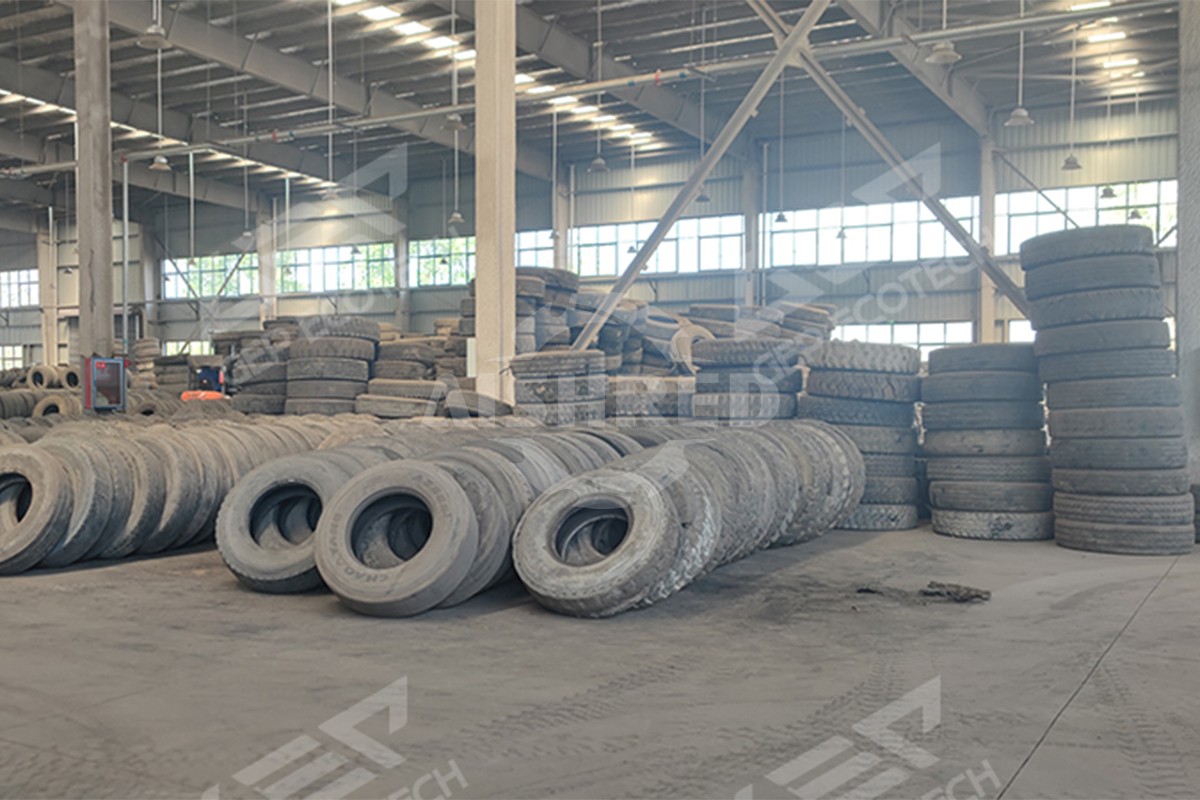
Generally speaking, large tires (such as those from heavy trucks and construction vehicles) have large diameters, thick rubber layers, and relatively small quantities. They require heavy-duty equipment with higher costs, which is generally not recommended for beginners. In contrast, passenger car tires and light truck tires have large scrap volumes, stable sources, and many easy-to-operate, cost-friendly processing devices are already available on the market, making them very suitable for beginners to try first.
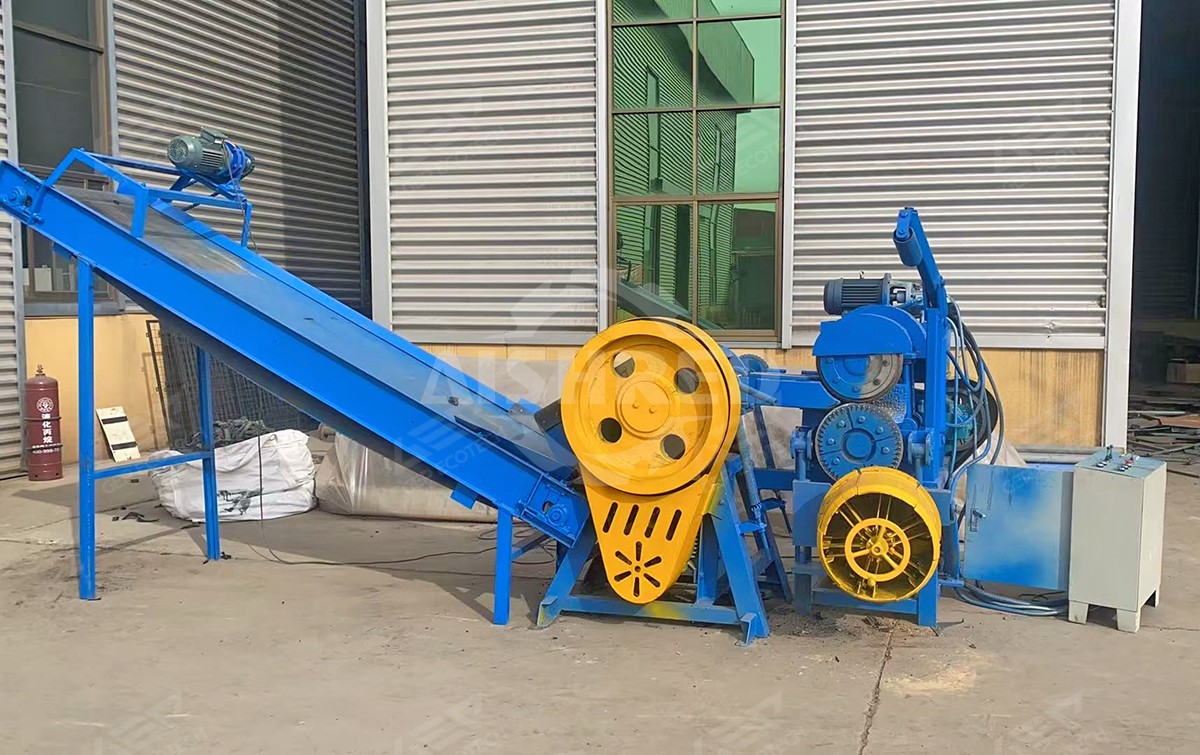
Design Concept and Advantages of GEP ECOTECH Integrated Slicing and Dicing Machine
After more than 14 years' struggling in solid waste disposal equipment, GEP ECOTECH has gained abundant experience in waste tire recycling field. And the integrated slicing and dicing machine is specially designed for small to medium tire recycling enterprises.
Integrated Design
Traditional waste tire pretreatment often requires a combination of multiple machines such as a slicer, a strip cutter, and a dicing machine, resulting in scattered equipment, large space occupation, and cumbersome processes. The GEP ECOTECH Integrated Slicing and Dicing Machine combines three functions into one, offering full functionality and a compact structure. The machine can directly complete slicing and dicing of tires in one process, effectively saving plant space while significantly improving overall processing efficiency.
Easy Operation
The machine requires only one person for feeding to complete the entire process, greatly reducing labor demand. Its compact design allows flexible operation and management even in tight spaces, making it especially user-friendly for customers with limited site conditions.
Low Cost
Compared to the tire pretreatment solution using a tire bead wire puller plus a double-shaft shredder, the GEP ECOTECH Integrated Slicing and Dicing Machine integrates multiple processes into one unit. While ensuring processing effectiveness, the overall equipment cost and operating cost are lower, energy consumption is also reduced, and the entry barrier is significantly lowered, making it affordable even for users just entering the tire recycling field.
Downstream Utilization Pathways
The products processed by the Integrated Slicing and Dicing Machine can follow several downstream utilization pathways depending on different business models:
Pathway 1: Direct Used as Tire-Derived Fuel (TDF)
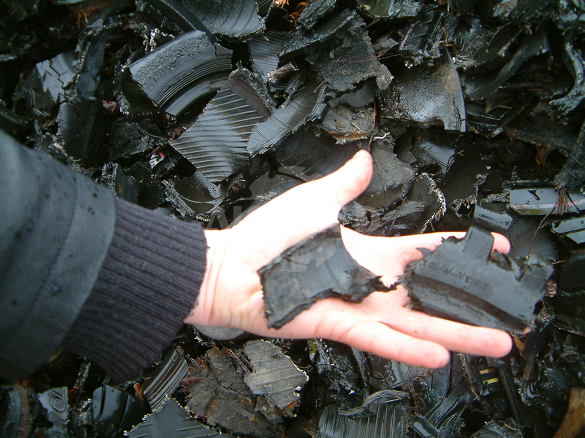
Waste tires themselves have a high calorific value, reaching over 8,000 kcal, higher than coal's 5,000 kcal. The rubber chunks obtained after slicing and dicing can be directly used as TDF and sold to cement plants and power plants as alternative fuel, helping enterprises reduce fuel costs while lowering carbon emissions.
Pathway 2: Further Grinding
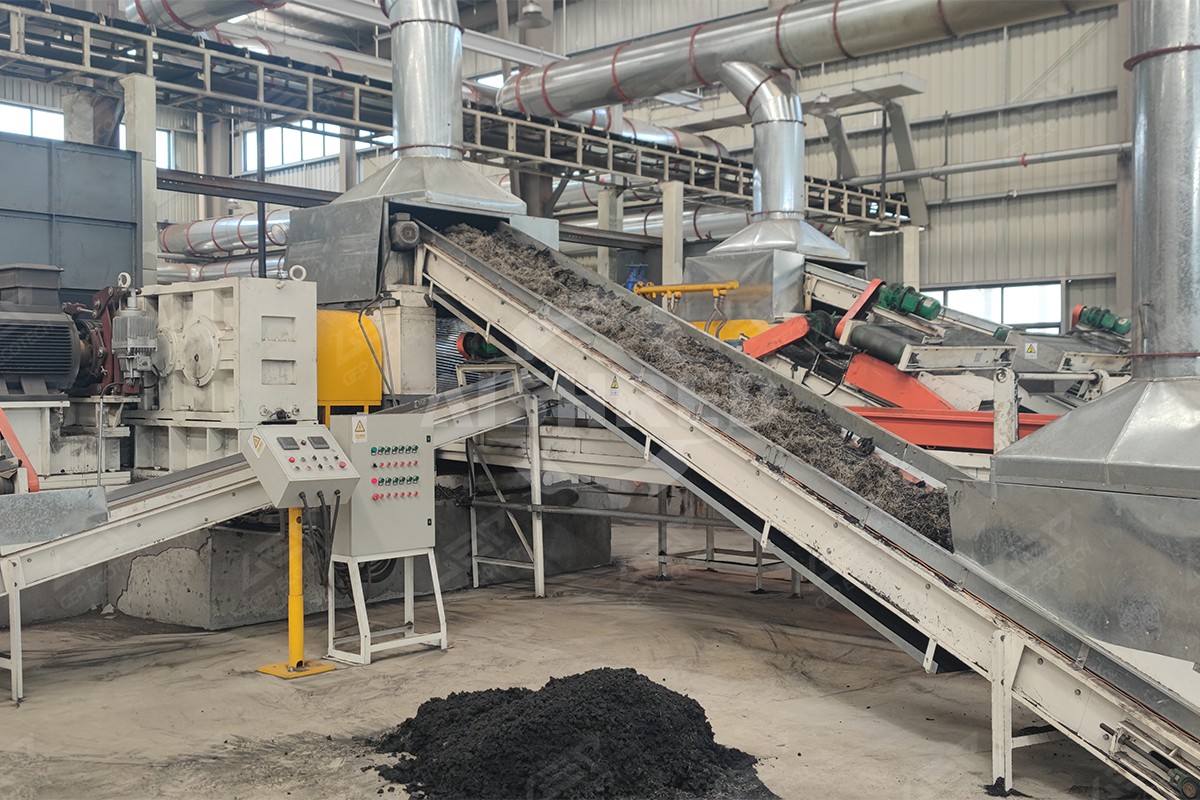
If pursuing a higher-profit processing chain, a rubber grinding unit (including a rubber grinder, vibrating screen, magnetic separator, fiber separator, etc.) can be added downstream of the machine for further processing. Through grinding, tire steel wire (which can be sold directly to steel enterprises) and tire rubber powder can be obtained separately. Rubber powder has wide applications: it can be used as alternative fuel, as pyrolysis feedstock, added to asphalt for road construction, or used to manufacture recycled rubber products.
Pathway 3: Used for Tire Pyrolysis
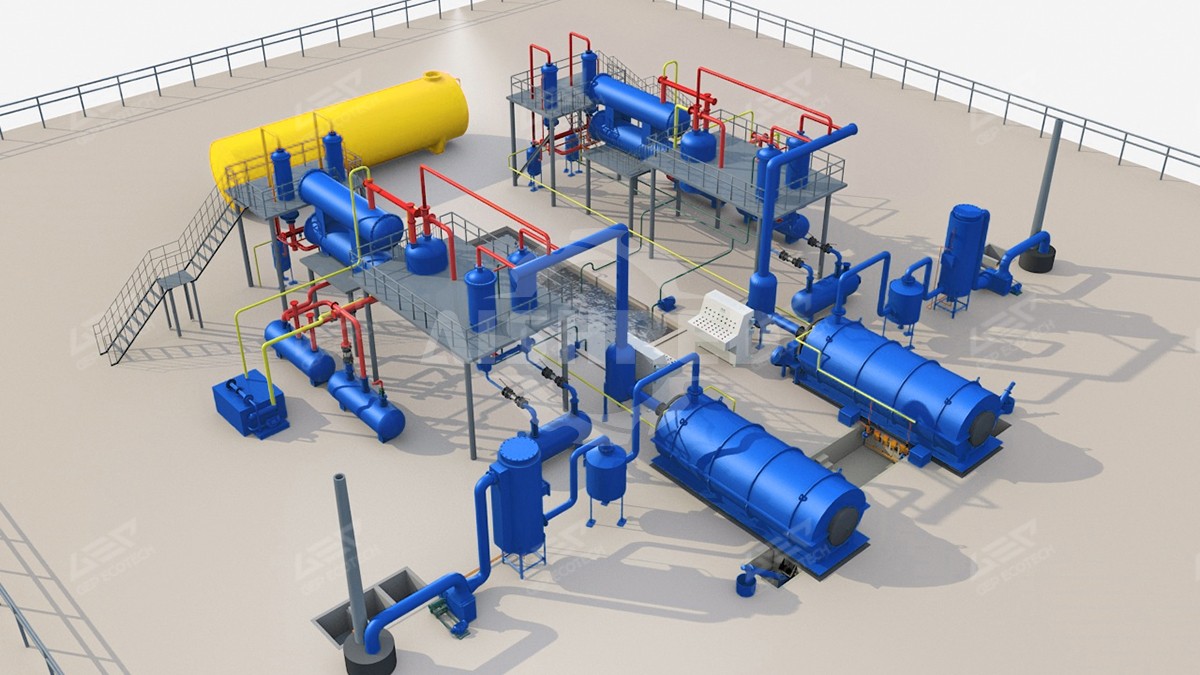
The processed rubber granules or rubber powder can be directly fed into tire pyrolysis equipment, where they are decomposed at high temperatures in an oxygen-free environment to produce high-value products such as pyrolysis oil and carbon black. Pyrolysis oil can be used as industrial fuel, and carbon black has broad market demand in the rubber products field, with significantly higher added value than selling rubber chips directly.
Services GEP ECOTECH Provides
GEP ECOTECH has been deeply involved in the waste tire disposal field for many years, accumulating rich industry experience and mature technical solutions, and can provide customers with all-round support:
- Customized solutions: Tailor-made equipment solutions can be designed based on the customer's actual operating conditions, capacity requirements, site limitations, and downstream product plans, ensuring precise alignment between equipment configuration and the customer's project positioning.
- Project experience: Extensive successful project cases in the waste tire disposal field, with customers in both domestic and international markets.
- After-sales support: Full-process support including on-site installation guidance, equipment commissioning, operation training, and comprehensive after-sales service, ensuring smooth project implementation and long-term stable operation.
The comprehensive utilization of waste tires is a sunrise industry combining environmental protection and economic benefits. With its integrated design, simple operation, and lower cost, the GEP ECOTECH Integrated Slicing and Dicing Machine provides users with an efficient, economical, and flexible tire disposal pathway. Whether you are evaluating a waste tire recycling project or already have a mature production plan, GEP ECOTECH is willing to provide professional equipment selection references and customized solutions based on your actual operating conditions. Please feel free to contact us at any time to jointly explore the commercial value of tire resource utilization.