Truck and Bus Radial (TBR) tires are among the most challenging waste streams to recycle. Larger, heavier, and reinforced with thick steel beads and multiple layers of fiber, they demand robust equipment and smart processing. Yet, they also hold significant value: high‑grade rubber, clean steel, and even textile fibers can be recovered and sold into booming markets such as sports flooring, rubberized asphalt, and steel smelting.
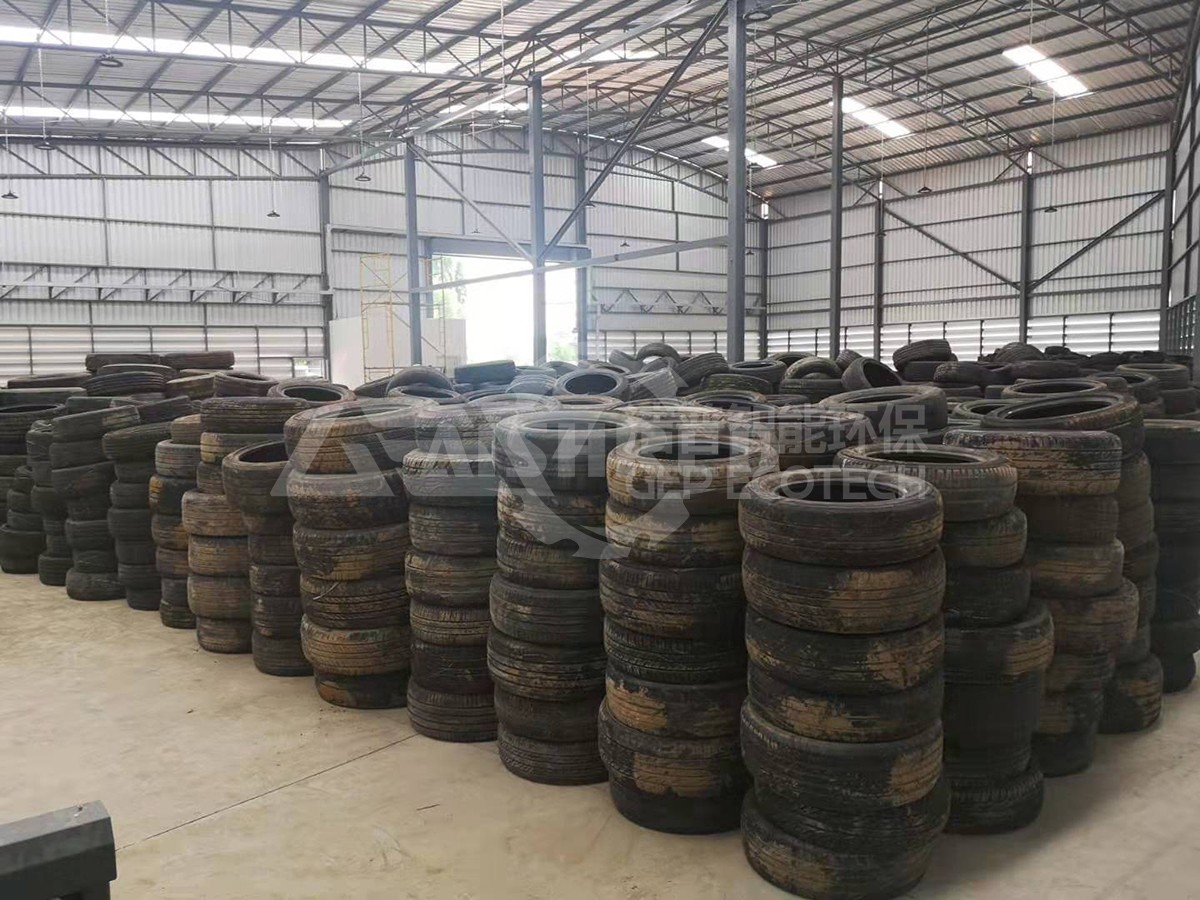
The key challenges? Removing bead wires to protect downstream machinery, achieving fine, pure rubber powder (down to 30–40 mesh), and separating steel and fiber efficiently—all while keeping operating costs low.
TBR Recycling Is Calling: A Real Customer's Need
A South American client operating in Saudi Arabia approached GEP ECOTECH with this clear requirement:
- Capacity: 1–2 tons/hour
- Feedstock: 70% TBR (R15–R22.5, up to 1200 mm) + 30% PCR (Passenger Car Radial Tires)
- Outputs:
1–4 mm granules for sports flooring & artificial grass infill
0.5–1 mm crumbs for rubberized asphalt
High‑purity steel scrap for smelting
Fiber for fuel or industrial use
GEP ECOTECH's Tailored 4‑Step Solution for TBR Recycling
GEP ECOTECH has developed a comprehensive TBR recycling system designed to meet exactly such requirements. The solution integrates several key pieces of equipment, each playing a critical role in the overall process.
Tire Debeader (Tire Bead Wire Puller)
Before any size reduction can begin, TBR tires require pre‑treatment. The thick steel bead wires that reinforce the tires' inner rim can cause excessive wear on shredder cutters and even damage the machine. GEP ECOTECH's bidirectional Tire Debeader is designed to tackle this challenge head‑on.
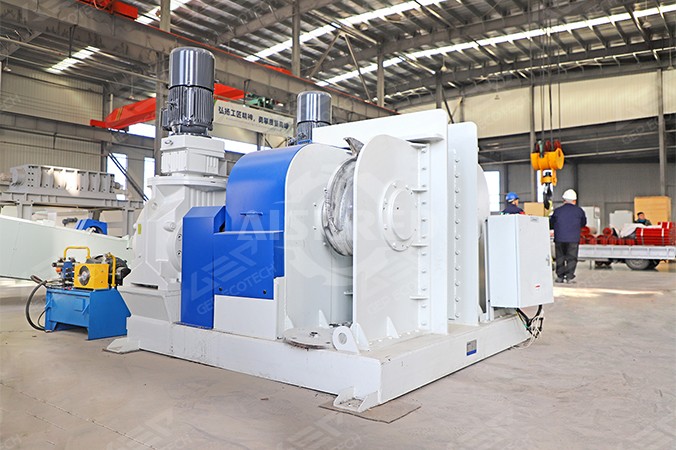
The machine features a dual‑transmission, dual‑hook structure that processes both sides of the tire simultaneously, achieving twice the efficiency of a single‑hook machine. It completely removes the bead wires from whole tires in just 1–2 minutes, achieving a clean separation between steel and rubber. For TBR tires, which have particularly strong bead wires, this step is indispensable—it protects the primary shredder, reduces cutter wear, lowers maintenance costs, and improves overall line efficiency.
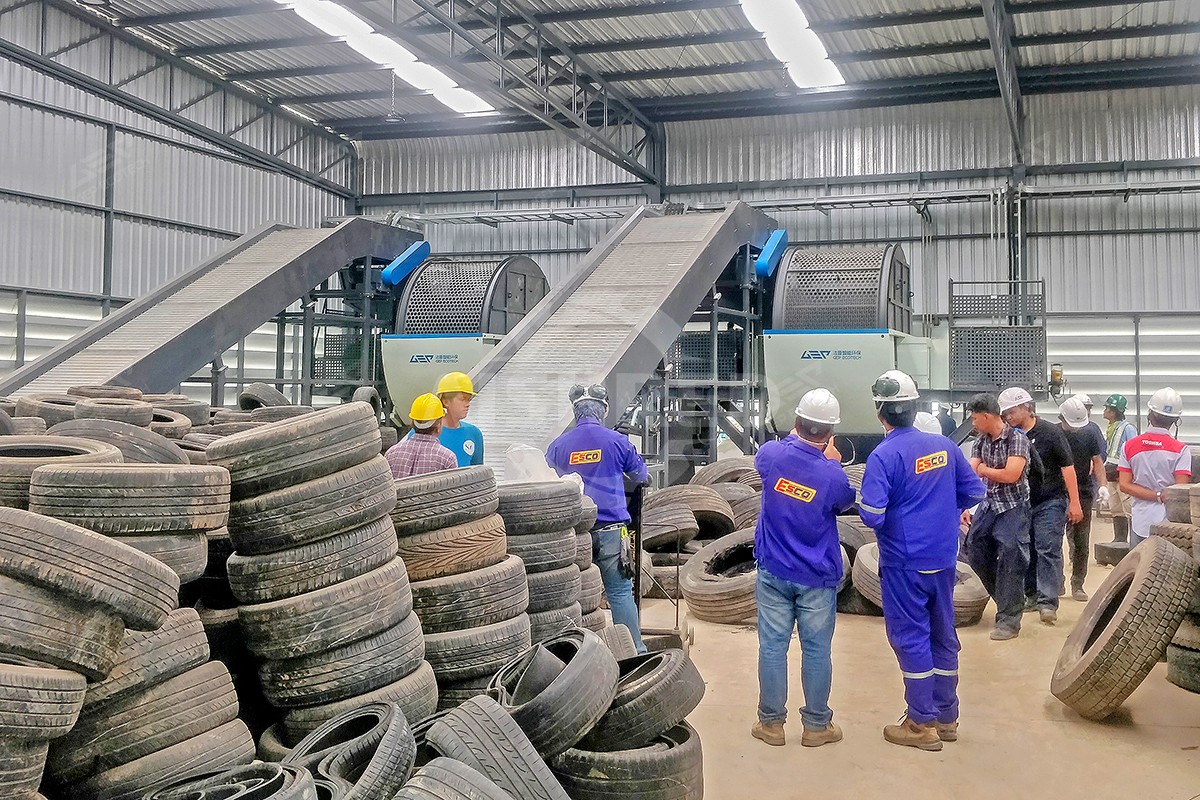
Double‑Shaft Tire Shredder (with Integrated Trommel)
After debeading, the tires are fed into GEP ECOTECH's primary shredder—a high‑torque, low‑speed double‑shaft shredder that serves as the workhorse of the entire line. This machine is specifically engineered to process both PCR and TBR tires, capable of handling tire diameters ≤1200 mm with ease and delivering consistent output sized around 50 mm.
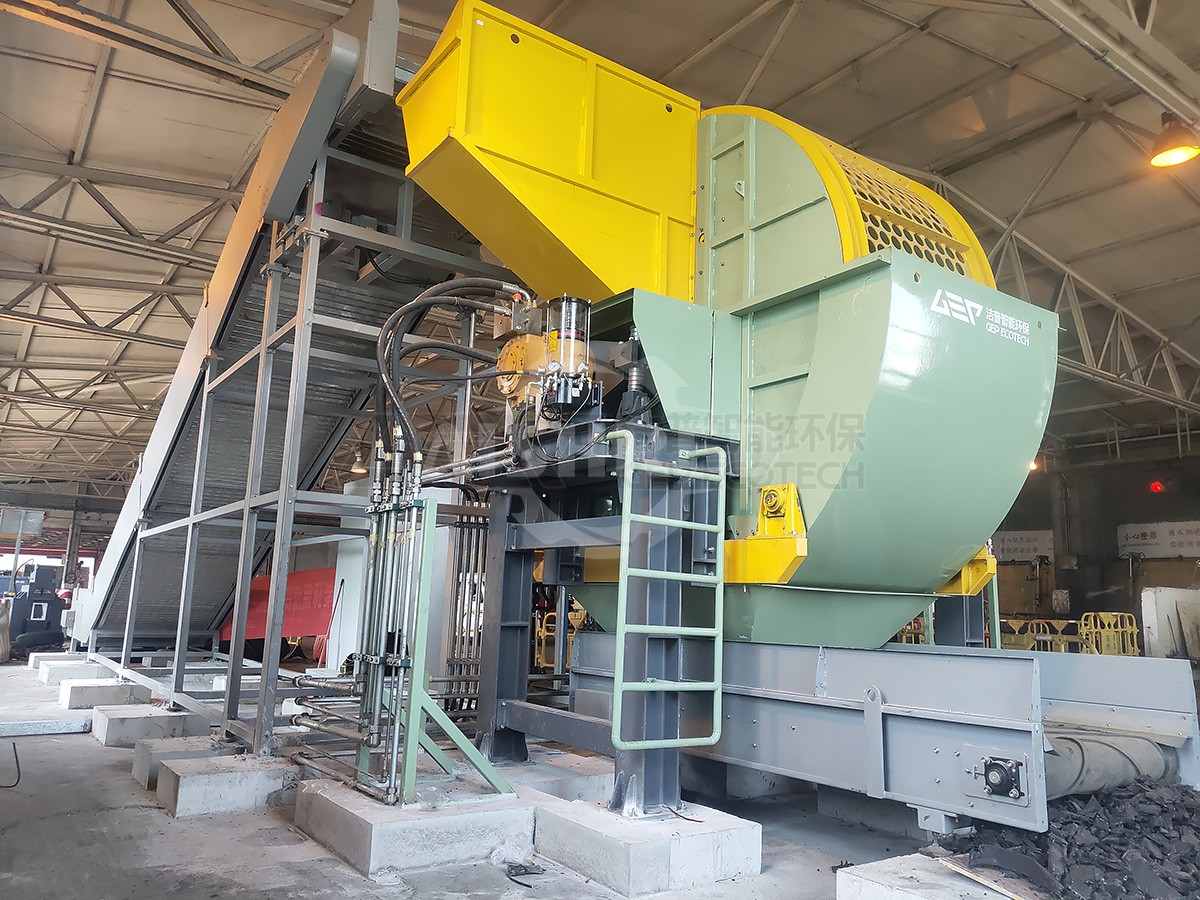
What sets GEP ECOTECH's shredder apart is its integrated trommel (rotary screen). Unlike conventional designs that require a separate screening unit, this machine combines shredding and screening functions into a single, compact unit. The closed‑circuit shredding‑screening loop ensures that material is recirculated until it reaches the target size, eliminating the need for an independent screen and saving both floor space and capital cost. This integration is a hallmark of GEP ECOTECH's engineering philosophy: efficient, compact, and cost‑effective.
The output at this stage consists of rubber chips with partially liberated steel and fibers—ready for further refinement.
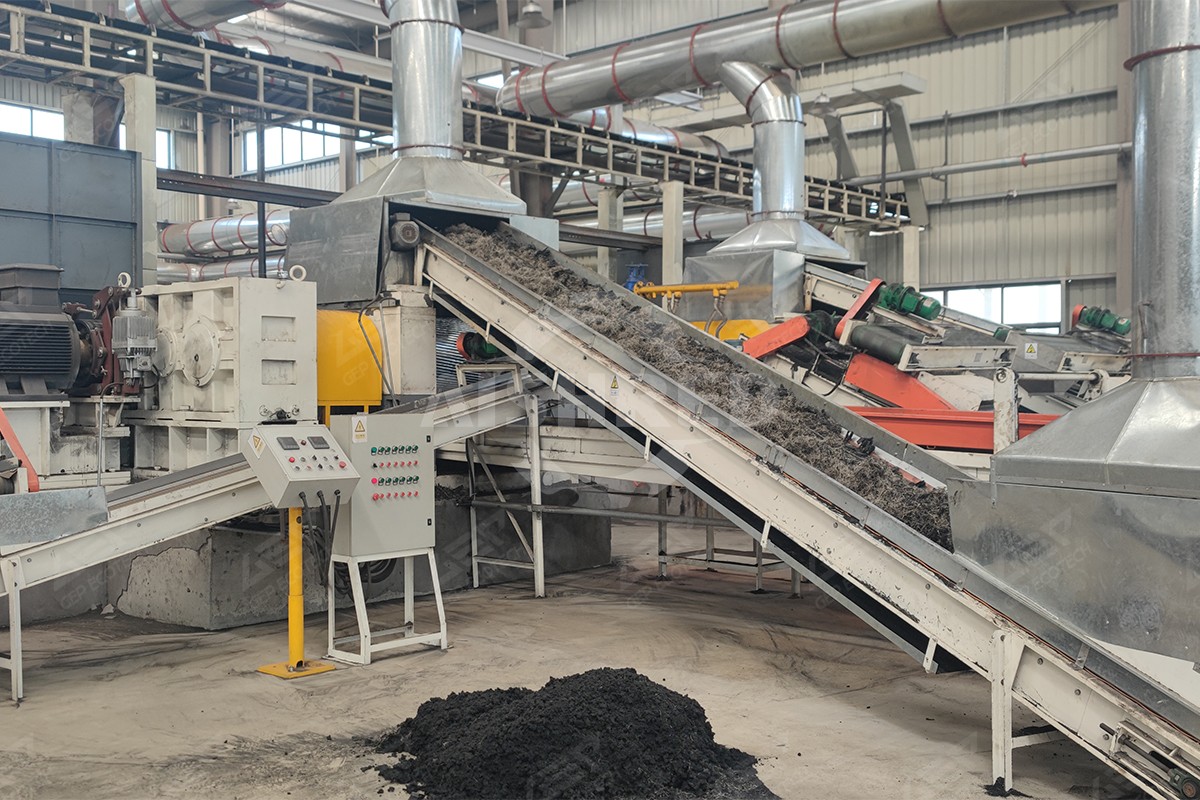
Rubber Grinding Unit
To produce the fine rubber granules and crumbs required for high‑value applications like sports flooring and artificial grass infill, the rubber chips must undergo further size reduction. GEP ECOTECH's rubber grinding unit is designed to produce rubber powder down to about 30–40 mesh (approximately 0.4–0.6 mm), with product purity reaching above 98%. This level of purity is essential for customers targeting quality‑sensitive markets such as running tracks and rubber‑modified asphalt.
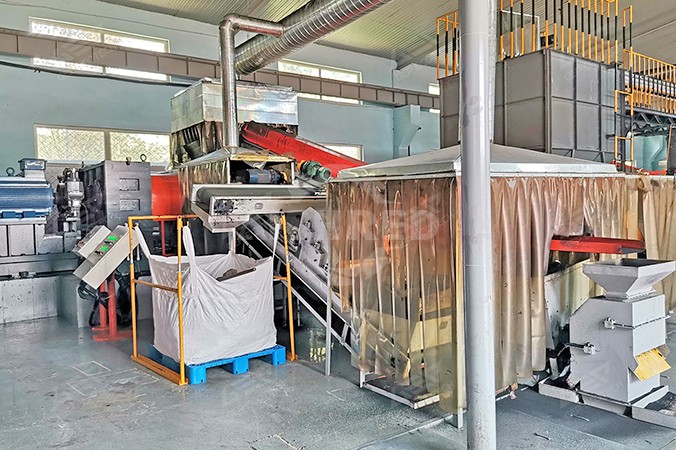
The system runs stably with low failure rates. Its intelligent control and easy‑maintenance design effectively reduce manual intervention and energy consumption, helping operators control operating costs.
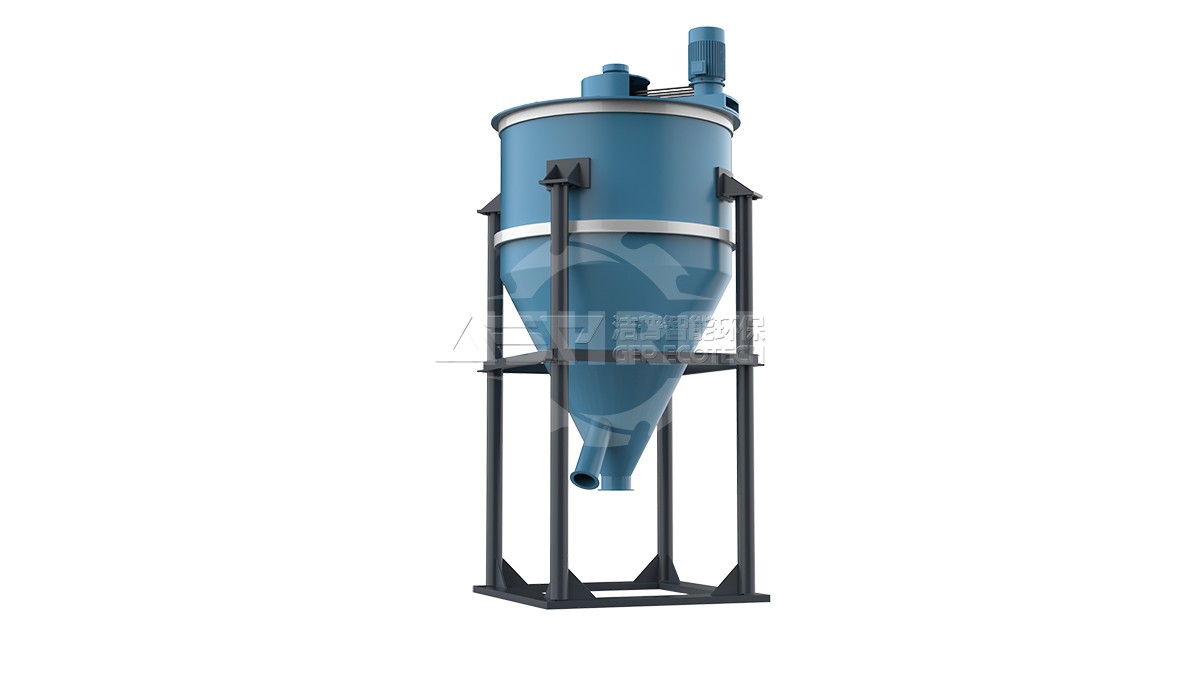
Fiber Separator
One of the most overlooked challenges in tire recycling is the effective removal of textile fibers and nylon. These contaminants, if left in the final rubber product, degrade quality and limit marketability. GEP ECOTECH offers an optional fiber separation unit that precisely removes fiber impurities, significantly boosting the purity of the rubber powder and building a solid quality foundation for further processing.
Why This Solution Stands Out
The solution recommended by GEP ECOTECH has the following features:
- Complete & Modular—From debeading to fine grinding to fiber separation, every step is covered. Add or remove modules as needed.
- High Efficiency & Low Maintenance—Pre‑removing bead wires dramatically extends cutter life. The integrated trommel reduces moving parts and energy use.
- Intelligent Control—Real‑time monitoring, anomaly pre‑warning, and centralized automation reduce labor and improve safety.
- High‑Purity Outputs—98%+ pure rubber powder and clean steel scrap command premium market prices.
- Real Project Cases—With more than 20 successful tire recycling cases from around the world, GEP ECOTECH has gained enough experience in different tire recycling applications.
Ready to Recycle TBR Tires?
Don't let TBR tires become a burden. Turn them into a profitable, sustainable resource.
Contact GEP ECOTECH today for a customized tire recycling solution.