In industries such as mechanical processing, electronics manufacturing, and automotive repair, a large quantity of small metal parts—screws, nuts, springs, small stamped parts, electronic connectors, copper contacts, etc.—are generated every day. These parts are small in size, irregular in shape, and often mixed with other materials (plastics, rubber, cables). If sold directly as mixed waste, their value is very low; if sorted manually, the efficiency is extremely low and impractical. Through mechanical crushing and separation, these small metal parts can be efficiently liberated and purified, ultimately producing high-grade metal concentrates that can be sold directly to smelters.
GEP ECOTECH provides shredding, crushing, and separation solutions ranging from single machines to complete production lines. The following describes the standard recycling process and corresponding equipment for small metal parts.
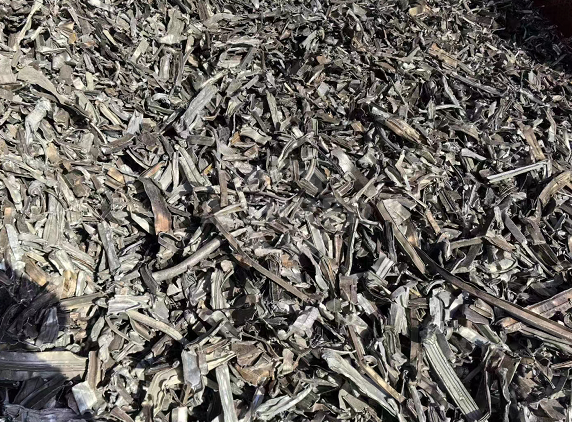
Process Core: Shredding + Multi-Stage Separation
The goal of processing small metal parts is to achieve full separation of different materials (iron, copper, aluminum, plastics, etc.). The process consists of four stages:
Primary Shredding: Double-Shaft Shredder
Small metal parts often exist in the form of bales, basket residues, injection-molded inserts, or cable terminals. The first step uses a double-shaft shredder for primary shredding. This equipment features a low-speed, high-torque design, using shear force to tear the material into irregular pieces of 40–150 mm. For materials with high steel content and a tendency to tangle (such as springs and steel wires), the double-shaft structure effectively prevents wrapping. After shredding, the material becomes looser, facilitating subsequent conveying and further crushing.
Fine Crushing: Hammer Crusher Achieves Complete Material Liberation
The primary-shredded material enters a fine crusher (e.g., hammer crusher). Through repeated impact between the high-speed rotating hammers and the screen plate, the metal is hammered into spherical or flake shapes, while plastics, rubber, and paint layers adhering to the metal surface are stripped off. For metals with good ductility such as copper and aluminum, crushing forms dense granules; for brittle plastics or resins, they are pulverized into powder or small flakes. By adjusting the screen aperture (typically 6–20 mm), the output particle size can be controlled.
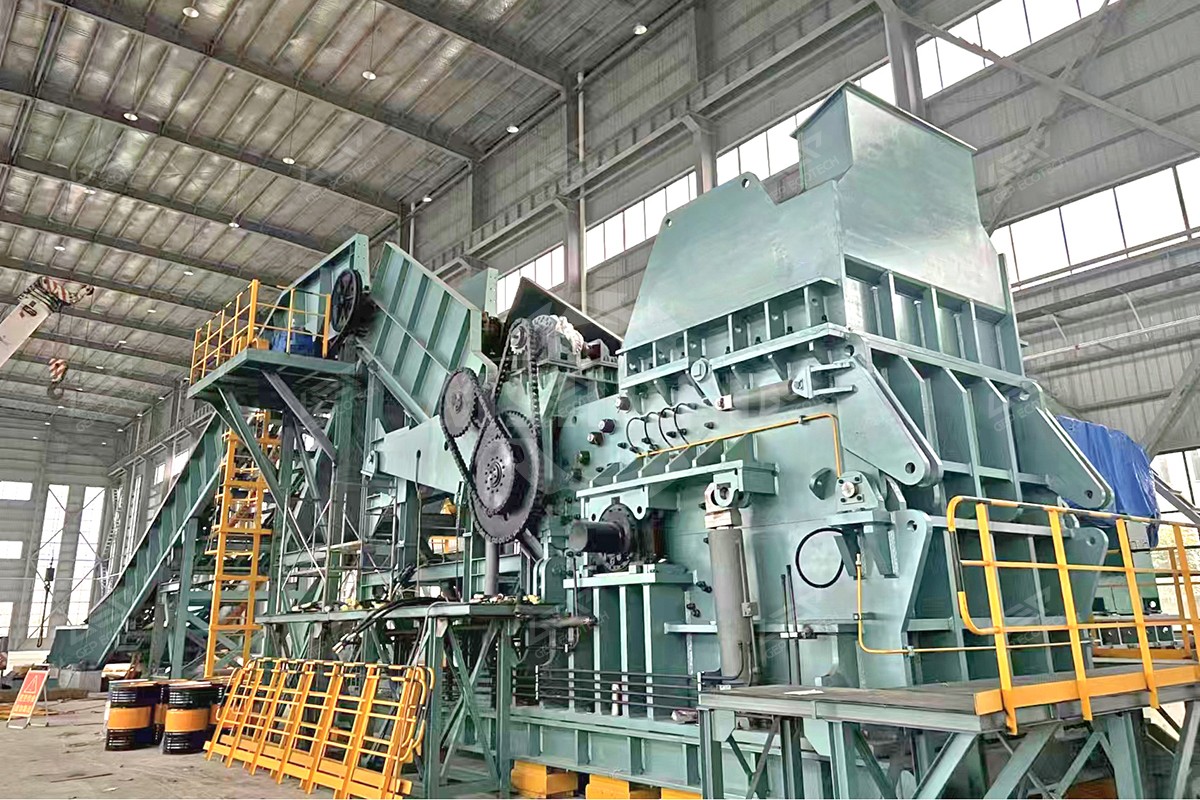
Separation: Magnetic Separator + Eddy Current Separater + Air Separator
The crushed mixed material needs to be separated into different metals and impurities using physical separation technologies:
Magnetic separator: Permanent magnetic drum or suspended magnet is used to separate ferromagnetic metals (iron, steel). This is the most direct and lowest-cost step. The separated ferrous material can be sold directly as scrap steel.
Eddy current separator : Used to separate non-ferrous metals such as copper, aluminum, and zinc. The equipment uses a high-frequency alternating magnetic field to induce eddy currents inside non-ferrous metal particles, causing them to be repelled and ejected, thus separating them from non-metals like plastics and rubber. For crushed material of 5–50 mm, eddy current separation can achieve a recovery rate of over 97%.
Air separator (density separation): For materials with similar densities (e.g., copper and aluminum mixed), an air fluidized bed can be used to stratify them by specific gravity and collect them separately. It can also be used to separate plastic powder from metals.
Centralized Dust Collection and Product Collection
The entire crushing and separation process operates under negative pressure. The system is equipped with a pulse-jet baghouse dust collector to capture dust at all dust-generating points. The treated exhaust gas meets emission standards. The final outputs are: ferrous material, copper/aluminum mixed material (or separated individually), and non-metallic residues (which can be used as filler or fuel).
Why Choose Mechanical Crushing and Recycling?
Improves metal recovery rate: Compared to manual sorting, mechanical crushing fully liberates metals embedded in plastics or rubber, increasing the recovery rate from 50–60% to over 95%.
Increases product value: Crushed small metal granules have high density and low impurities, and smelters purchase them at a price 20–40% higher than mixed scrap.
Reduces labor cost: A medium-sized production line requires only 2–3 operators and can process over 10 tons of material per day.
Environmentally compliant: The fully enclosed process, together with the dust collection system, creates no secondary pollution.
Typical Material Processing Cases
End-of-life vehicle wiring harness terminals: Shredding → fine crushing → magnetic separation → eddy current separation, producing copper granules (copper purity >98%) and iron particles.
Mixed iron and copper chips from machining: First shredding, then hammer crushing to granulate, and finally magnetic separation and eddy current to recover iron and copper respectively.
If you are evaluating a related project, GEP ECOTECH is pleased to provide equipment selection references based on your actual operating conditions.