
GEP ECOTECH's fully automated fridge recycling machine is designed for large-scale processing of end-of-life cooling appliances. Utilizing intelligent shredding, multi-stage separation, and gas purification, it achieves high recovery rates (ferrous metals ≥99%, plastics ≥97%) while ensuring safety, environmental compliance, and low operating costs, offering an efficient solution for e-waste processors.
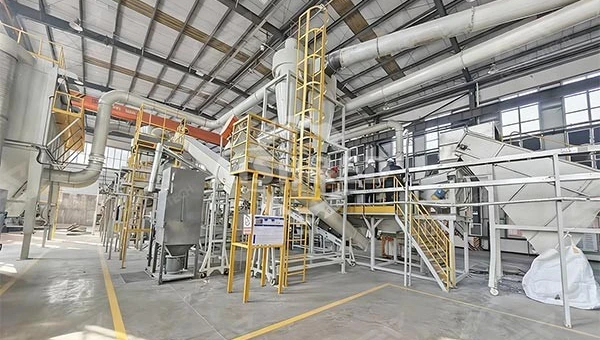
With the continued advancement of the trade-in policy for household appliances, the demand for recycling and processing of waste refrigerators is growing rapidly. How to efficiently and compliantly convert waste refrigerators into reusable renewable resources has become a key concern in the industry. We provide complete waste refrigerator crushing and sorting equipment to help customers establish standardized and efficient recycling lines.Pretreatment: The First Step for Safety and ComplianceAfter waste refrigerators enter the processing line, a series of pretreatment procedures must first be completed. Each refrigerator is first weighed on a scale and affixed with an information barcode to achieve full-process traceable management. Subsequently, specialized equipment extracts the refrigerant (Freon) from the refrigerator to prevent its leakage into the atmosphere. Next, workers cut and remove the compressor, and drain the mineral oil completely through drilling holes for collection. These refrigerants and
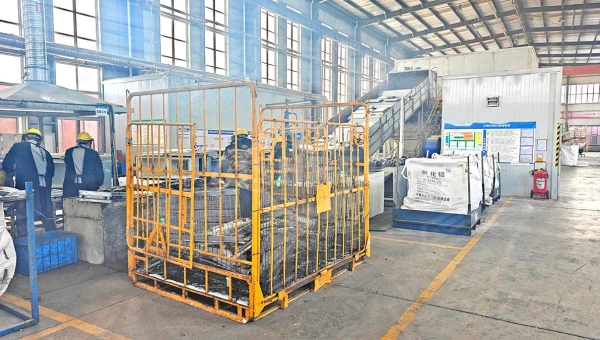
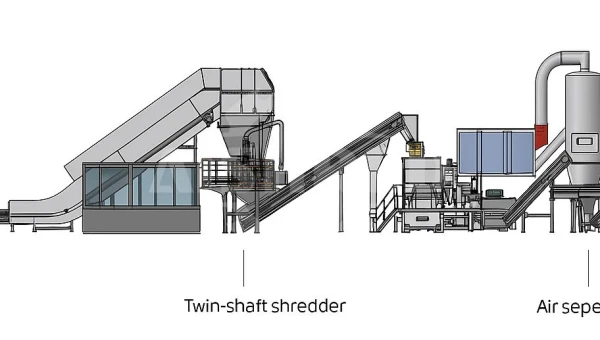
GEP ECOTECH offers a complete recycling plant for refrigerators, designed to dismantle, shred, and separate valuable materials from end-of-life cooling appliances. This fully automated solution is ideal for e-waste processors, metal recyclers, and environmental service providers handling large volumes of white goods.Key FeaturesLarge Processing Capacity – Industry-Leading Refrigerator ThroughputHigh Material Recovery Rates – Ferrous metals ≥99%, plastics and foam ≥97%Automated and Intelligent Control – PLC system with real-time monitoringAdvanced Safety and Fire Protection – Gas sensors, flame detectors, fire suppressionEnvironmental Compliance – Dust collection and VOC control systemsModular and Durable Design – Easy maintenance, long service lifeComplete Recycling Process1. Manual Pre-DismantlingOperators remove compressors, wires, glass, rubber, and other hazardous components from the units before mechanical processing.2. Primary ShreddingRefrigerators are shredded by a twin-shaft shredder with hydraulic
Abandoned refrigerators take up space and pollute the environment. After shredding them, plastics, ferrous metals, and non-ferrous metals are separated. The materials can be sold to recyclers for profit. In some places, you can also get subsidies from the government.How Refrigerator Shredding Creates ValueLiberate Space & Neutralize Pollution: Powerful shredders rapidly break down bulky units, freeing up storage or landfill space. Crucially, the shredding process within a controlled system allows for the safe capture and treatment of hazardous pollutants, mitigating environmental damage and ensuring regulatory compliance.Enable Material Recovery: The shredded output isn't just waste; it's valuable raw material. Advanced shredding prepares the material for efficient downstream separation. Key recoverable resources include:Ferrous Metals (Steel): High-purity steel fragments ready for smelters.Non-Ferrous Metals (Copper, Aluminum): Cleanly separated copper wiring, aluminum components.Plastics: Various plastic