In recent years, international policies have shifted from measuring simple "recycling rates" to a broader "resource utilization rate" , with targets reaching 60% by 2026 in many regions.
At the same time, carbon peak and neutrality commitments are pushing waste intensive sectors to reduce CO₂ emissions through verifiable, circular solutions.
GEP ECOTECH's Integrated Processing System—Turning MSW into Marketable Resources
Our system combines shredding, screening, intelligent sorting, wind separation, and magnetic separation to recover high‑value fractions from mixed municipal solid waste:
- Plastics (bottles, rigid plastics) → recycled into PE granules
- Metals (Fe, Al, Cu) → smelting & metal recovery
- Organic kitchen waste → fermentation/compost or soil conditioner
- Low‑value combustibles (films, paper, foams, textiles)→ processed into SRF (Solid Recovered Fuel)
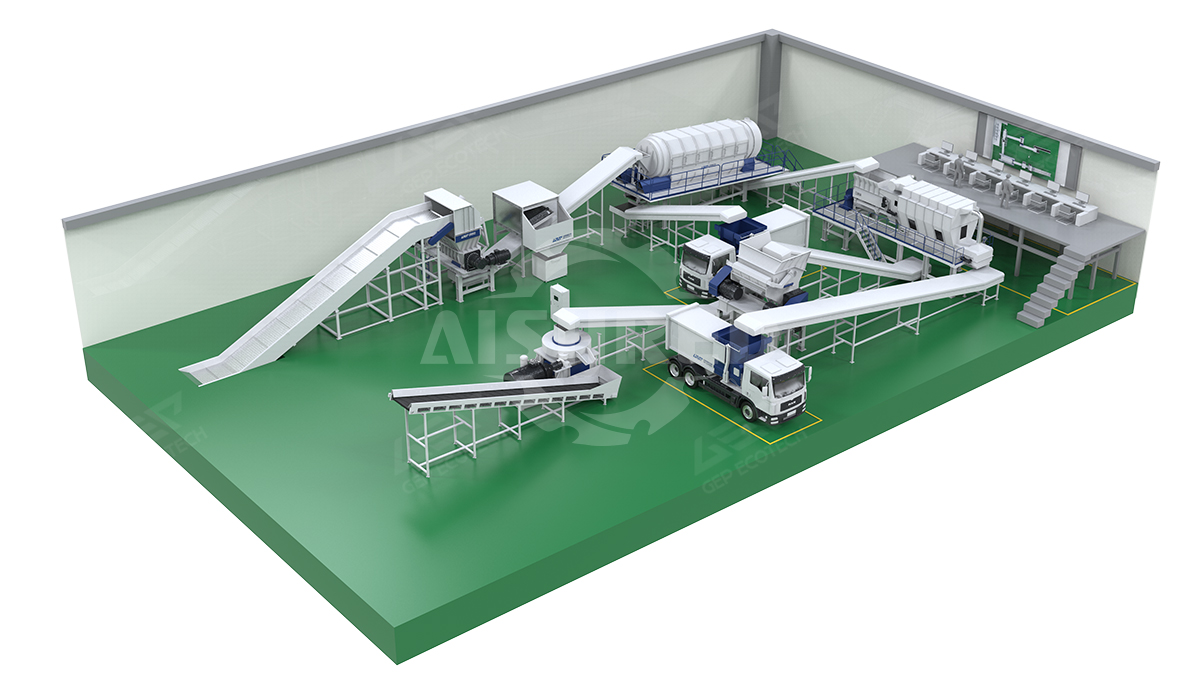
SRF substitutes coal in cement plants, power stations, and industrial boilers, directly cutting fossil fuel use and carbon emissions while generating fuel revenue.
Proven MSW Recycling Case in the Middle East
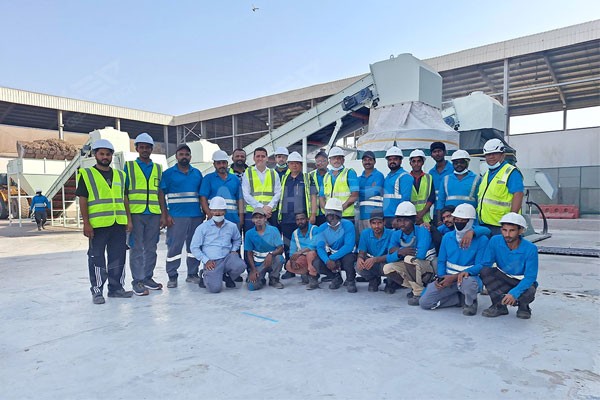
GEP ECOTECH built an intelligent RDF production line for a Middle Eastern country's first waste-derived fuel plant. With an annual capacity of 55,000 tons, the system integrates sorting, dosing, and pelletizing while monitoring moisture and calorific value in real time. It helps the cement plant cut fossil fuel use and carbon emissions, while reducing landfill pressure from municipal solid waste (MSW).
Why So Many Project Owners Choose GEP ECOTECH's Solutions
As waste management regulations tighten and sustainability goals become increasingly critical, project owners worldwide face mounting pressure to optimize operations while cutting costs and emissions. GEP ECOTECH's integrated solutions directly address these challenges—delivering measurable environmental and financial returns. Below are key reasons why forward-thinking project owners trust GEP ECOTECH to transform their waste processing facilities.
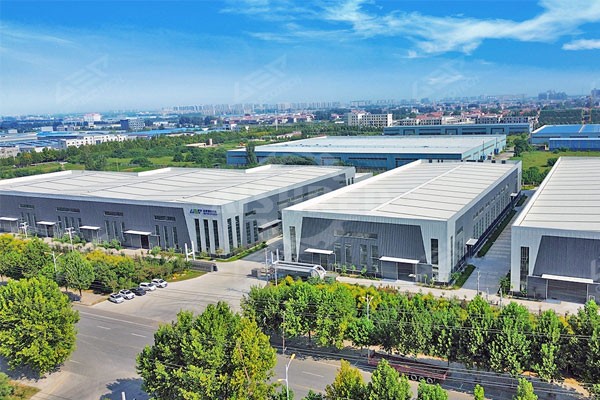
- Backed by strong production capabilities with a 66,000 m² manufacturing base, ensuring reliable equipment supply and consistent quality
- Supported by over 128 national patents, continuously driving technological innovation and providing tailored solid waste recycling solutions
- Boost resource utilization rateto meet regulatory KPIs
- Reduce carbon footprint—each ton of SRF replaces 0.8–1.2 t of coal
- Create new revenue streams (recycled plastics, metals, SRF, compost)
- Lower landfill dependency & associated costs
Ready to Evaluate Your Project?
Contact us now and share your daily volume, waste composition, and local energy prices. Our engineers will prepare a tailored solution for your MRF or waste‑to‑value plant.