Why RDF, and why now?
Not a short-term trend—but a long-term industrial necessity.
Cement kilns, thermal power plants, and coal-fired power plants are increasing their use of alternative fuels. RDF replaces part of the coal, cutting fuel costs and carbon emissions at the same time.
Feedstock comes from urban and industrial waste streams, with stable supply. Downstream demand is clear. Global carbon reduction policies continue to drive adoption.
Three key drivers:
Abundant feedstock—industrial scraps, combustible MSW, textile waste, packaging waste, biomass waste
Rigid downstream demand—cement, thermal power, and coal-fired power plants are the main buyers
Long-term trend—alternative fuel substitution ratios keep rising as the industry becomes more standardized
What does RDF become?
Low-value waste in, standardized fuel out.
RDF is typically produced as cylindrical or brick-shaped fuel, with a density of 0.8–1.2 g/cm³ and a stable calorific value of 4,000–6,000 kcal/kg.
Compared with loose waste, RDF is easier to transport, store, and meter—and far easier to sell into industrial procurement systems.
Product value:
Replaces coal, heavy oil, and other fossil fuels
Lowers fuel costs for downstream plants
Helps buyers meet carbon reduction targets
Turns waste from a disposal cost into a fuel revenue stream
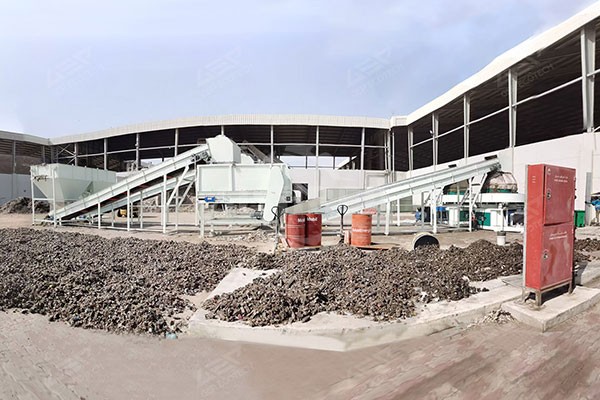
What's inside an RDF production line?
Five core stages determine fuel quality and project profitability.
1. Primary shredding
Large materials are reduced to below 130 mm for volume reduction and homogenization.
2. Secondary shredding
Material is further reduced to 30–60 mm, preparing it for separation and briquetting.
3. Intelligent separation
Magnetic and air separation remove metals, stones, and other inert impurities. Combustible purity can reach over 95%.
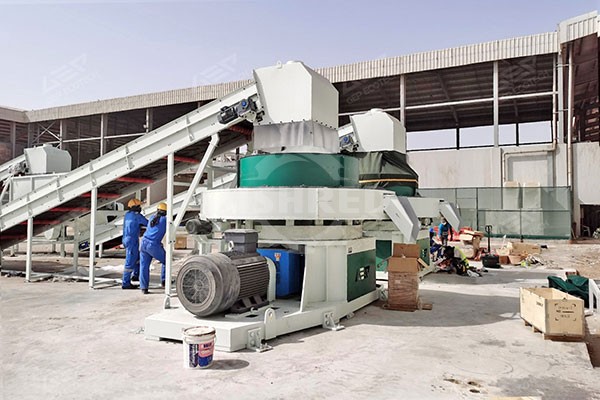
4. Briquetting
Material is pressed into high-density fuel with stable calorific value and significantly lower transport costs.
The key point:
Equipment quality sets the ceiling on profitability. Low-end shredders produce uneven output, high impurity levels, and unstable calorific value—fuel that buyers reject or discount. A mature line produces RDF that downstream plants will actually purchase.
What does GEP ECOTECH provide?
Not just equipment—a complete RDF preparation solution.
GEP ECOTECH has spent years specializing in solid waste resource recovery equipment, covering the full RDF preparation process:
Shredding
GD series double-shaft shredders for primary shredding
Secondary fine shredders, e.g. GS series single shaft srhedders, for precise particle size control
Wear-resistant alloy steel blades for diverse feedstocks, low failure rates
Separation
Integrated magnetic and air separation systems
Effective removal of metals and heavy impurities
Stable combustible purity and consistent calorific value
Briquetting and environmental control
High-density briquetting equipment
Meets environmental production requirements and supports permit approval
Service model
Modular customization: from small pre-treatment lines to 100+ tph scale plants
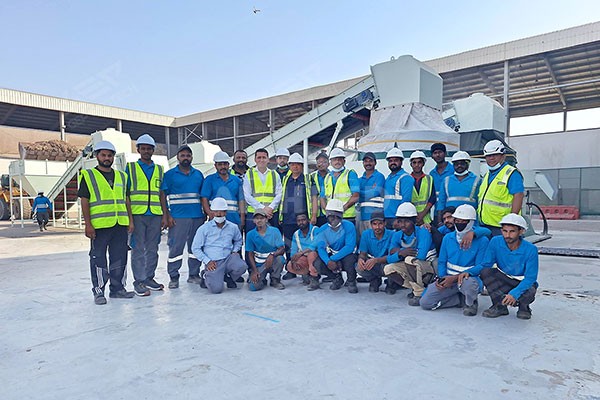
One-stop service: solution design, equipment manufacturing, installation, commissioning, and operator training
Want to know more about RDF line configurations, capacity planning, or investment estimates? Contact GEP ECOTECH for a solution accordingly.