
Stale waste recycling processes aged municipal solid waste from landfills to recover resources and rehabilitate land. The key goals are reclaiming valuable urban space and extracting reusable materials like metals, plastics, and humus soil. The core process involves crushing, screening, and separating components using specialized equipment such as trommel screens, wind sifters, and magnetic separators. This integrated approach transforms environmental liabilities into resources, supporting circular economy and sustainable development.
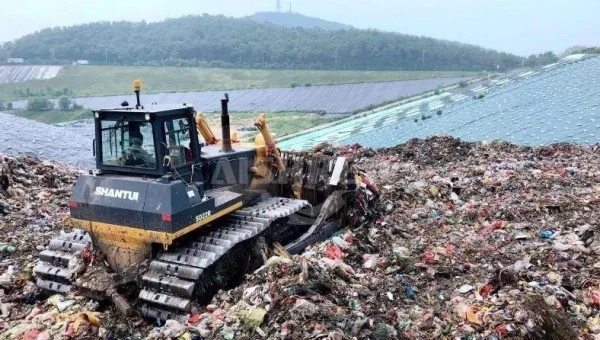
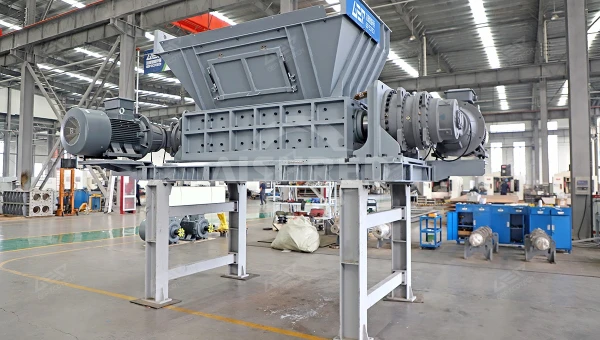
With the acceleration of urbanization and the increasing scarcity of land resources, ecological governance and resource utilization of landfills have become key issues for sustainable urban development. As the main target of treatment, the disposal of stale waste is a complex system engineering that integrates environmental engineering, mechanical sorting, and resource recycling. The disposal of stale waste is a systematic project that integrates environmental governance, resource recycling, and land regeneration. Its core goal is to efficiently separate stabilized waste that has been buried for many years under the premise of safety and environmental protection, and achieve maximum resource utilization.Definition and Main Components of Stale WasteStale waste, specifically referring to municipal solid waste that has reached a relatively stable state after long-term (usually 8-10 years or more) anaerobic degradation and physicochemical reactions in landfills. Its original organic components (kitchen waste,


For those involved in the medical waste treatment industry, you might be wondering if there is a best solution for handling medical waste. Let's start by understanding what medical waste is and how we can manage it effectively.Medical waste can consist of a variety of materials, including rubber, glass, plastics, textiles, gauze, needles, scalpels, and more. The density of these materials ranges from 65 to 3600 kg/m³. So, what should we do with the waste collected from hospitals, clinics, laboratories, and other medical facilities? Clearly, we cannot treat medical waste the same way we handle general solid waste. At the very least, we cannot send it directly to landfills, as it is classified as hazardous waste.In fact, as time has passed, direct landfill disposal of medical waste has been increasingly restricted in many countries and regions. Companies like GEP ECOTECH have emerged, offering solutions for stale waste recycling. However, today we are focusing on more commonly accepted methods for managing