
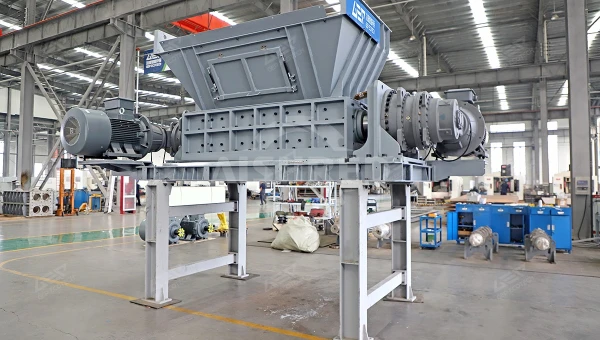
Double shaft shredders are shears shredders that are primarily used for pre-shredding different materials and cutting them into long strips. Depending on the size, they shred everything from kitchen waste, bones, wet waste and light hospital waste to tyres, bales, commercial and bulky waste and steel drums.
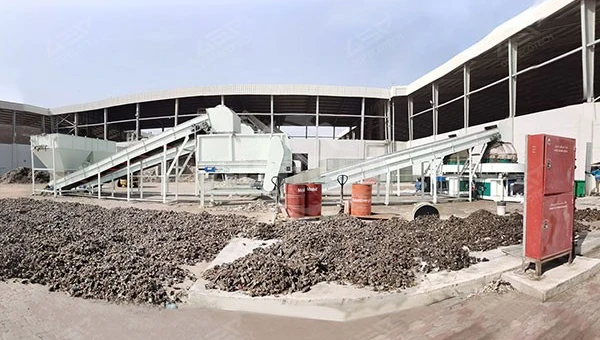
Why RDF, and why now?Not a short-term trend—but a long-term industrial necessity.Cement kilns, thermal power plants, and coal-fired power plants are increasing their use of alternative fuels. RDF replaces part of the coal, cutting fuel costs and carbon emissions at the same time.Feedstock comes from urban and industrial waste streams, with stable supply. Downstream demand is clear. Global carbon reduction policies continue to drive adoption.Three key drivers:Abundant feedstock—industrial scraps, combustible MSW, textile waste, packaging waste, biomass wasteRigid downstream demand—cement, thermal power, and coal-fired power plants are the main buyersLong-term trend—alternative fuel substitution ratios keep rising as the industry becomes more standardizedWhat does RDF become?Low-value waste in, standardized fuel out.RDF is typically produced as cylindrical or brick-shaped fuel, with a density of 0.8–1.2 g/cm³ and a stable calorific value of 4,000–6,000 kcal/kg.Compared with loose waste, RDF is easier to
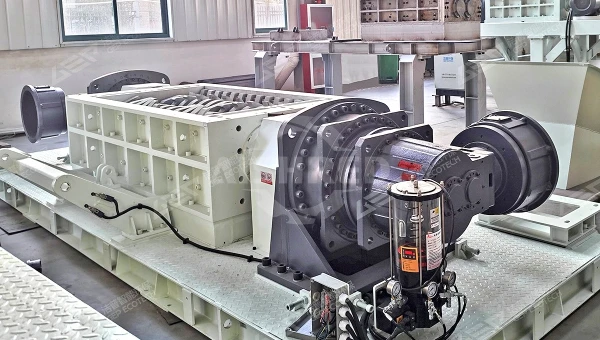
Managing high-moisture abattoir waste under demanding desert climates requires resilient, heavy-duty mechanical engineering. For modern rendering operations and Waste-to-Energy (WtE) facilities in Saudi Arabiaand the wider Middle East, processing a continuous 12 tons per hour (T/H) throughput of bulk livestock offal—consisting of 95–98% soft, elastic stomach/intestine mass and 2–5% dense camel or bull bones—is a punishing assignment.To conquer this complex material profile without binding, wrapping, or costly downtime, the GEP ECOTECH GD8 Twin-Shaft Shredder represents the industry's premier technical solution.Engineered for High-Moisture Organics and Offal ProcessingBulk slaughterhouse waste from large ruminants presents unique structural challenges. Tough, slippery stomach walls (tripe) and elastic intestines tend to stretch and wrap under normal compression rather than shear cleanly. The GEP ECOTECH GD8 Industrial Twin-Shaft Shredder solves this through an open-discharge, positive-displacement shearing
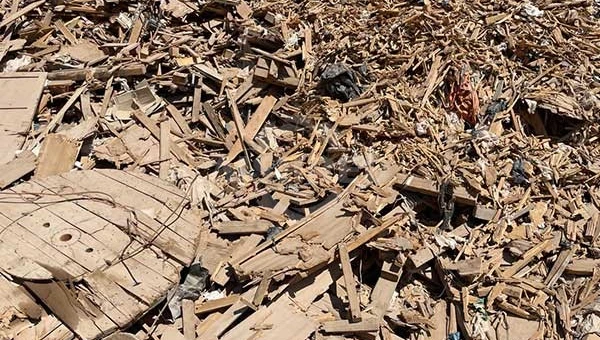
During construction, formwork removal, and renovation projects, large quantities of waste wood are generated, including wooden formwork, plywood, waste wood blocks, and other construction wood waste. These materials are often large and irregular in shape, and may contain residual nails, screws, and other metal contaminants.Simply storing this waste can take up significant space and make transportation and subsequent recycling more difficult.As a result, many waste wood recycling operations use shredding, crushing, screening, and magnetic separation to process large pieces of waste wood into smaller wood chips or fuel feedstock, creating better conditions for further recyclingSo, what equipment is suitable for shredding waste wooden formwork, plywood, bamboo plywood, and waste wood blocks?Recommended Equipment: GD Series Double-Shaft ShredderFor waste wooden formwork, plywood, bamboo plywood, waste wood blocks, and other construction wood waste, GEP ECOTECH recommends the GD Series Double-Shaft Shredder for
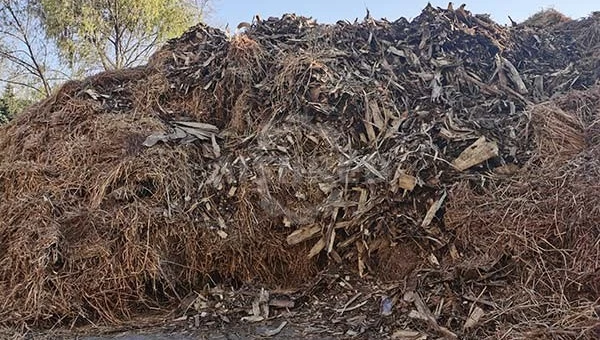
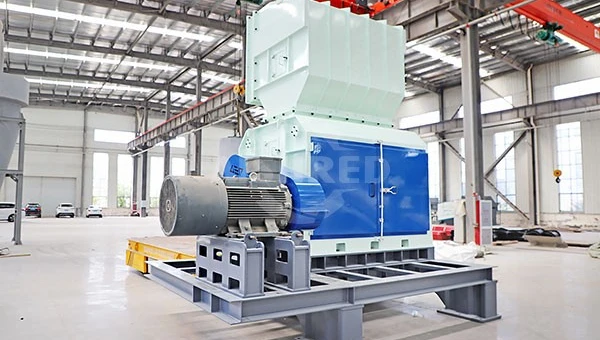
In projects such as biomass power generation, organic fertilizer, feed, chemical industry, and agricultural and forestry waste treatment, the shredding section directly affects the subsequent conveying, storage, fermentation, combustion, or molding effects. Facing materials of different forms such as bulk materials, large bales, and small bales, users hope for high equipment versatility and also require controllable output particle size and convenient maintenance. The GXB Series hammer mill launched by GEP ECOTECH is a fine shredding machine designed around these actual needs.Working Principle and Output ControlThe GXB Series is motor-driven, which drives the rotor to rotate at high speed through a V-belt or coupling. The cutter assembly on the rotor obtains relatively large kinetic energy during high-speed operation. After materials enter the shredding chamber, they are gradually shredded, and materials with a particle size smaller than the screen aperture are discharged in time, while materials larger than
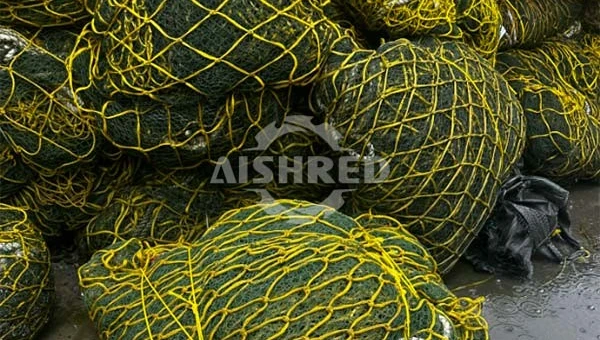
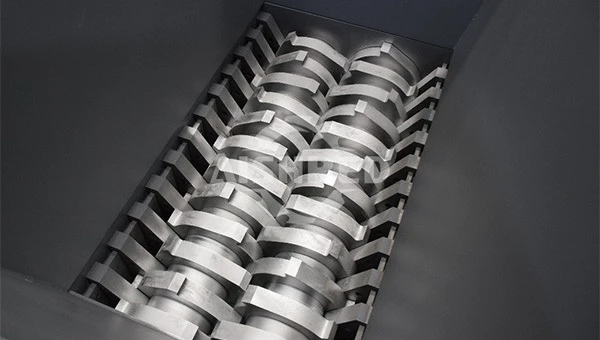
Waste fishing nets are one of the main sources of marine plastic pollution. These discarded nets are difficult to degrade naturally in the ocean, and they can also break down into microplastics that enter the food chain. From the perspectives of resource utilization and environmental protection, establishing a scientific and efficient fishing net recycling system has practical significance.The main material of fishing nets is nylon (polyamide), which has high recycling value. At present, there are enterprises specializing in the acquisition and recycling of waste fishing nets, processing them into recycled nylon pellets or other products. In terms of market size, the global recycled nylon market was valued at approximately USD 1.301 billion in 2024 and is expected to reach USD 1.773 billion by 2031, with a compound annual growth rate of about 4.6%. The post-consumer recycled nylon market is projected to reach USD 703 million by 2032. Overall, nylon fishing net recycling has initially formed an industrial

Bulk Molding Compound (BMC) is a thermosetting polyester prepreg composed of short glass fibers (FRP), unsaturated resin, calcium carbonate fillers, and various additives. Known for its exceptional dimensional stability, heat resistance (HDT of 200–280°C), outstanding electrical insulation (arc resistance up to 190s), and strong resistance to water, oils, and chemicals, BMC is widely used in electrical components (circuit breakers, motor enclosures), automotive parts, and precision industrial applications.Challenges in Disposing Scrap BMCDespite its excellent properties, scrap BMC recycling faces a few key challenges: the material's abrasive glass-fiber content causes significant wear on conventional equipment; color separation is critical to avoid quality degradation; and fine dust generation during processing requires efficient collection systems for safe operation.Common BMC Recycling ProcessA typical scrap BMC recycling line follows these stages:Sorting—Separating materials by color and type to prevent


Plastic pallets are indispensable in modern logistics, offering superior durability, hygiene, and resistance to moisture, chemicals, and pests. But when they reach the end of their useful life, efficient shredding is the key to unlocking their recycling value. This article explores what a 1 TPH plastic pallet fine shredding system looks like—and how GEP ECOTECH delivers a robust, comprehensive solution for high‑capacity recovery.The Growing Imperative of Plastic Pallet RecyclingPlastic pallets are predominantly made from HDPE and PP—HDPE offers excellent impact resistance and cold‑weather durability, while PP provides superior stiffness and heat tolerance. In terms of service life, high-quality plastic pallets can usually be used for 5-10 years and complete 100-300 transportation cycles, while ordinary wooden pallets can only complete 5-20 transportation cycles before needing maintenance or replacement, so the full life cycle cost of plastic pallets is lower. Recycling end-of -life (ELV) pallets saves 60–70


With the widespread use of fiberglass materials in construction, automotive, wind turbine blades, composites, and other industries, significant amounts of production waste—such as offcuts, edge trim, and non-conforming products—are generated. This waste not only occupies valuable storage space but also increases disposal costs for manufacturers. As a result, effectively converting fiberglass waste into reusable fine powder has become a growing priority.To address this challenge, GEP ECOTECH introduces a two-stage grinding solution consisting of the GD dual-shaft shredder and the GX fine grinder. This system transforms bulky waste into fine powder, suitable for in-house recycling or further environmental treatment.Why a Two-Stage Process?Fiberglass waste has several challenging characteristics:High toughness makes it difficult to crush directlyLong fiber structures tend to wrap around rotating shaftsLow bulk density reduces transport and storage efficiencyHigh abrasiveness demands superior wear resistance


For years, bulky waste—those oversized sofas, worn-out mattresses, and discarded wooden furniture—has been a headache for municipal management. Traditionally, these items ended up taking up massive space in landfills, a practice that is neither sustainable nor profitable. At GEP ECOTECH, we believe bulky waste isn't just "trash"; it's a resource waiting to be unlocked. With the right shredding technology, what was once a liability becomes valuable raw material.Challenges with Landfilling: Inefficiency and Rising CostsLandfilling bulky items is incredibly inefficient. Their hollow structures and mixed materials (wood, metal, fabric) make them difficult to compact. As tipping fees rise and environmental regulations tighten, the industry is shifting toward "reduction, recycling, and resource utilization." The first and most critical step in this transformation is high-performance shredding.GEP ECOTECH GD Series Double-Shaft Shredders: Engineered for the Toughest ChallengesGEP ECOTECH provides specialized


In the field of straw resource utilization (such as power generation, pulping, fertilizer production, fuel briquetting, etc.), suitable and reliable pre-crushing is a crucial step. Twin-shaft shredders and hammer mills are two mainstream equipment types, with distinct working principles, applicable scenarios, and performance characteristics. Scientific equipment selection is essential to ensure stable production line operation and control energy consumption and costs.This article provides a professional comparative analysis of these two types of equipment from five dimensions: throughput, output particle size, power consumption, core strengths.


Construction and demolition (C&D) waste contains a large proportion of combustible materials, including wood, plastics, paper, and packaging. Improper handling of these materials can lead to:Increased landfill costs and site pollutionEnvironmental hazards due to uncontrolled burningLoss of recyclable energy resourcesEfficient management of combustible construction waste reduces environmental impact, recovers energy value, and supports circular economy initiatives.Pre-Treatment: Shredding and SortingProper pre-treatment of construction waste combustibles ensures safe and effective downstream processing. Recommended equipment includes:Double-Shaft Shredders: Ideal for bulky and mixed combustible construction waste. Reduces large pieces of wood, plastics, and composites into uniform flakes for energy recovery or further processing. Adjustable rotor speed allows adaptation to different materials.Single-Shaft Shredders: Designed for smaller volumes or high-density materials, providing high torque with low energy


In the field of solid waste treatment and resource recovery, the double-shaft shredder is a core piece of equipment due to its strong shearing force and wide applicability. Whether for municipal solid waste, industrial waste, medical waste, or scrap metal, the performance of the shredder directly determines the efficiency and reliability of the entire processing line. As the component directly involved in the shredding process, the material selection for the cutters is a key factor affecting equipment lifespan, processing efficiency, and operational costs. As a professional shredder manufacturer, we offer two mainstream cutter material options—NiCrMo High-Alloy Steel and Stainless Steel—tailored to different material characteristics. We can also provide customized matching based on the customer's specific operating conditions, ensuring the equipment optimally handles various challenges.NiCrMo High-Alloy Steel Cutters: Preferred Choice for Wear Resistance and Long LifespanNiCrMo high-alloy steel is a high-


With the accelerating pace of urbanization, the disposal of bulky waste such as discarded furniture, mattresses, and sofas has become a major challenge in municipal solid waste management. Achieving efficient volume reduction, resource recovery, and harmless treatment of bulk waste is a key issue in the environmental protection sector. Leveraging deep technical expertise and extensive project experience, GEP ECOTECH provides scientific, efficient, and customizable solutions for bulk waste shredding, volume reduction, and comprehensive utilization, helping global clients achieve both environmental and economic benefits.Core Processing Systems for Bulky Waste Treatment by GEP ECOTECHGEP Intelligent Environmental Protection offers two mature and targeted process routes to meet different client needs, whether focused on volume reduction for transportation or in-depth resource recovery.Bulky Waste-Derived Fuel (RDF/SRF) Production SystemThis system is designed to convert bulky waste into high-calorific-value,


At GEP ECOTECH, we specialize in providing comprehensive solutions for waste cardboard recycling, focusing on shredding and baling. Our equipment and systems are designed to help businesses of all sizes manage large volumes of cardboard efficiently, reduce operational costs, and support sustainable practices. By turning bulky cardboard into manageable, high-value material, GEP ECOTECH ensures that your waste is transformed into a reusable resource.Industrial Cardboard ShreddingOur industrial double-shaft shredders are engineered to handle all types of cardboard, from clean boxes to mixed packaging materials. With robust construction and high-capacity throughput, our shredders reduce cardboard into uniform, compact fragments. Shredding minimizes storage requirements, simplifies handling, and prepares material for downstream recycling or energy recovery.Key features of GEP ECOTECH double-shaft shredders include:High throughput for small to large-scale operationsDurable cutting shafts for long-lasting performanc


As industrial and infrastructure projects continue to upgrade, large volumes of fiberglass (FRP) pipes are being retired. Their high strength, corrosion resistance, and complex composite structure make traditional disposal both expensive and inefficient. Companies therefore require a safe, efficient, and sustainable solution for managing FRP pipe waste.Processed FRP Pipes: Unlocking Material ValueWhen properly processed, waste FRP pipes can be converted into valuable materials. Through advanced shredding and screening, FRP pipes can be processed into recycled aggregates suitable for:Asphalt modification and mineral fillersConstruction mixes and functional fillersCement and other industrial applicationsThis process enables lower disposal costs, improved material utilization, and reduced environmental impact.GEP ECOTECH Solution: An Integrated Recycling ProcessGEP ECOTECH offers a complete recycling solution tailored for FRP pipes. The system combines primary shredding, secondary shredding, and screening into
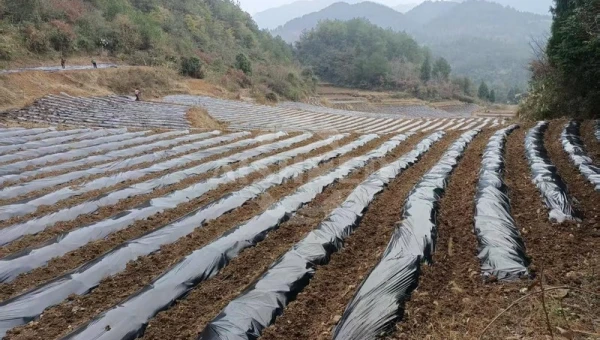
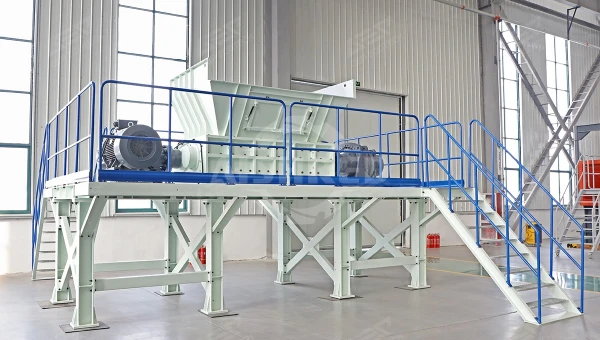
Agricultural film, a crucial tool for increasing yield and preserving moisture in modern farming, brings economic benefits while also creating a growing "white pollution" crisis due to its non-biodegradable nature. Broken residual film entangled in soil hinders water and fertilizer penetration, affects crop root growth, and damages soil structure, directly threatening food security and ecological health. Therefore, promoting the scientific recycling and resource utilization of waste agricultural film has become a key task for rural revitalization and ecological civilization.Recycling Waste Agricultural Film: Unlocking Triple Value—Economic, Social, and EcologicalRecycling waste agricultural film is a meaningful endeavor:Significant Economic Value: The main component of waste agricultural film is polyethylene (PE), a tradable renewable resource. Through efficient sorting and purification, it can be transformed into high-value recycled raw materials or high-calorific-value fuel, generating direct economic


Last week, a famous biomass recycling company from Southeast Asia was seeking to efficiently convert agricultural residues like alfalfa bales and flax straw into consistent, high-density biomass fuel pellets. GEP ECOTECH offered a professionally engineered, custom-configured biomass pelletization line for this company. Our solution was designed to transform challenging, fibrous raw materials, some are in bales (max weight around 300kg/bale) and others are just in bulk, into a valuable φ6mm pelletized fuel, ideal for industrial energy applications.Our Recommended Process & Core EquipmentTo address the specific requirements for processing 300kg alfalfa bales and tough flax straw, we propose an integrated system centered on core equipment engineered for durability and high throughput:Primary Size ReductionFor breaking dense round or square bales, our heavy-duty GDB Series Biomass Shredder is the optimal choice. Its low-speed, high-torque design and enlarged chamber ensure stable, high-capacity processing (up to


Printed Circuit Boards (PCBs) are high-value, highly complex electronic components rich in metals with high recovery value such as copper, gold, and palladium. They possess a complex composite material structure (laminated combination of resin, glass fiber, and metal), making recycling challenging. Efficient and stable pre-processing shredding is the foundation for ensuring the efficiency and economic viability of the entire recycling process.Brief Description of PCB Resource Recycling ProcessThe standard mechanical PCB recycling process is mainly divided into three stages:Pre-Shredding Stage: Shredding whole PCBs into uniformly sized fragments (typically 10-50mm) to provide qualified feedstock for subsequent processes.Fine Shredding and Grinding Stage: Further shredding to fully liberate metals from non-metals, achieving a target particle size of 0.2-2mm.Separation and Enrichment Stage: Separating and enriching metallic and non-metallic materials using technologies like magnetic separation, eddy current


Manufacturers worldwide face the persistent challenge of managing Fiber Reinforced Plastic (FRP) waste. A recent inquiry from a Latin American client perfectly encapsulates this need: "We produce FRP parts and require an efficient system to shred our scrap into a consistent filler. The output must be easy to compact and handle." Their specifications—1TPH capacity, material up to 10mm thick, and a large feeding size of up to 1000mm—highlighted the demand for a robust and precise shredding and baling solution.This challenge is not unique. In fact, it mirrors a successful project we completed in Shandong, China. There, a customer sought to standardize solid waste disposal, aiming for harmlessness and volume reduction. Their goal was to shred industrial waste primarily composed of fiberglass (FRP) for subsequent waste incineration. They required a high-capacity solution, targeting 5 tons per hour. After evaluating various options, they selected GEP ECOTECH's tailored combination of a Double-Shaft Shredder and a
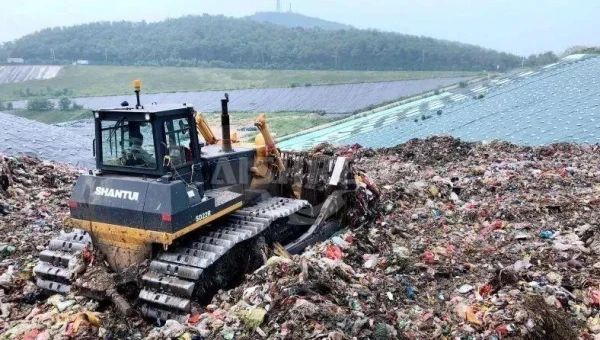
With the acceleration of urbanization and the increasing scarcity of land resources, ecological governance and resource utilization of landfills have become key issues for sustainable urban development. As the main target of treatment, the disposal of stale waste is a complex system engineering that integrates environmental engineering, mechanical sorting, and resource recycling. The disposal of stale waste is a systematic project that integrates environmental governance, resource recycling, and land regeneration. Its core goal is to efficiently separate stabilized waste that has been buried for many years under the premise of safety and environmental protection, and achieve maximum resource utilization.Definition and Main Components of Stale WasteStale waste, specifically referring to municipal solid waste that has reached a relatively stable state after long-term (usually 8-10 years or more) anaerobic degradation and physicochemical reactions in landfills. Its original organic components (kitchen waste,


The secure and compliant disposal of decommissioned military assets, such as fighter jets, presents a unique and critical challenge for defense organizations worldwide. An end-of-life fighter jet disposal center in the Middle East faced this exact issue: how to irreversibly destroy sensitive, metal-vulnerable parts from aircraft like the F-15 to prevent any potential data or intelligence compromise. After a comprehensive global search for a reliable and powerful solution, they partnered with GEP ECOTECH to implement a specialized scrap metal shredding line. This case study details how our tailored scrap metal recycling technology delivered a high-performance, efficient, and completely secure destruction process for confidential military components.Project Overview & ChallengeThe client required a destruction method that guaranteed the absolute physical obliteration of classified fighter jet parts. The primary objectives were:Irreversible Destruction: Transforming parts into small, unidentifiable fragments to


UBC (Used Beverage Cans) are a high-value, easily recyclable metal scrap. They are characterized by their lightweight material, strong elasticity, and ease of stacking, typically found in forms such as bales, briquettes, or loose pieces.Recycling Value of UBCHigh-Value Aluminum Material: Aluminum is a metal that can be efficiently recycled, and there is stable market demand for recycled aluminum.Energy Saving and Environmental Protection: Recycling aluminum significantly reduces energy consumption compared to primary aluminum production.High Recycling Rate: After shredding, it can be used for smelting to produce aluminum ingots, aluminum profiles, etc.Reduced Transportation and Handling Costs: Pre-processing and shredding can increase bulk density, reduce transport volume, and improve subsequent furnace charging efficiency.UBC Pre-processing SolutionsGEP ECOTECH offers three main types of shredding equipment for UBC recycling: Pre Shredder, Double-Shaft Shredder and Single-Shaft Shredder. These can be

With the rapid expansion of global wind power, thousands of wind turbines are now reaching retirement age. This surge has created an urgent need for safe, efficient, and cost-effective recycling of wind turbine blades, which are notoriously difficult to process due to their large size and composite structure.GEP ECOTECH offers a complete engineered solution designed specifically for blade reduction and resource recovery.Industry Challenge: Why Blades Are Difficult to Recycle?Large size & high strengthBlades range from 40 to 80 meters long and are made of thick fiberglass or composite laminates.Fiber-reinforced structureGFRP/CFRP is extremely tough, flexible, and abrasion-resistant—difficult to cut with conventional equipment.Environmental restrictionsLandfilling composite waste is increasingly prohibited in Europe, the U.S., and many APAC regions.High transportation & handling costOversized waste requires specialized equipment to reduce dimensions before further use.GEP ECOTECH's Complete Blade Recycling

In the field of solid waste recycling and resource recovery, screening equipment plays an essential role. With its unique structure and operational design, the Ballistic Screen achieves high anti-clogging efficiency and continuous screening, making it an ideal choice for construction waste, municipal solid waste, and industrial waste treatment lines.Working PrincipleThe Ballistic Screen mainly consists of a screen box, screen mesh, support structure, and bounce balls. During operation, materials evenly enter the screen surface and move forward with the vibration of the screen body. The bounce balls installed beneath the screen mesh continuously jump with the vibration, striking the bottom of the mesh to create a consistent impact force. This effectively prevents screen blockage and ensures smooth material passage.This design not only improves screening efficiency but also reduces manual cleaning and downtime, allowing the equipment to maintain stable operation over extended periods.Application ScenariosConstr