
Agricultural film recycling solves a critical environmental challenge while creating tangible value. The key lies in efficient separation: advanced systems separate film, straw, and soil. It delivers high economic returns, responds to national sustainability policies, and provides profound ecological benefits by eliminating "white pollution" and returning healthy soil to farmland.
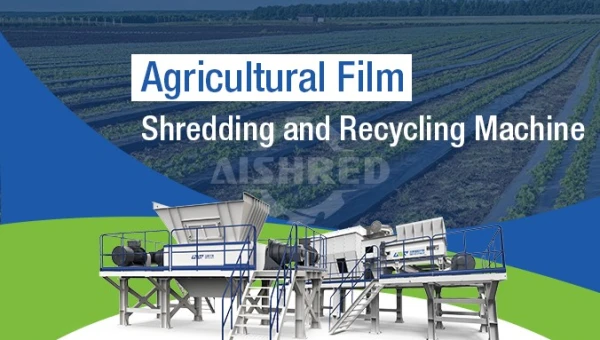
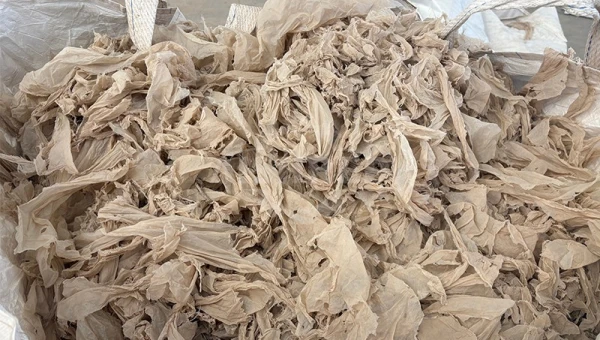
Over the past decades, the use of agricultural films has continued to increase and shows a long-term upward trend. Growing demand for food and animal feed, shrinking arable land resources, rising requirements for soil protection, and the cost efficiency of plastic films have made agricultural film an indispensable input in modern agricultural production.At the same time, the widespread use of agricultural films has resulted in a rapidly growing volume of post-consumer film waste. With limited practical alternatives available, efficient recycling has become a critical pathway toward sustainable agricultural development. In this process, reducing lightweight, flexible, and highly tangled agricultural films into a uniform and controllable particle size is a decisive first step.GEP ECOTECH provides dedicated shredding and recycling solutions engineered specifically for post-consumer agricultural films. Built on extensive experience in solid waste treatment and plastics recycling, GEP ECOTECH agricultural film
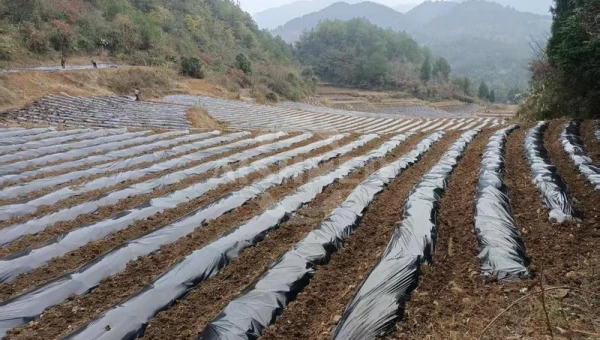
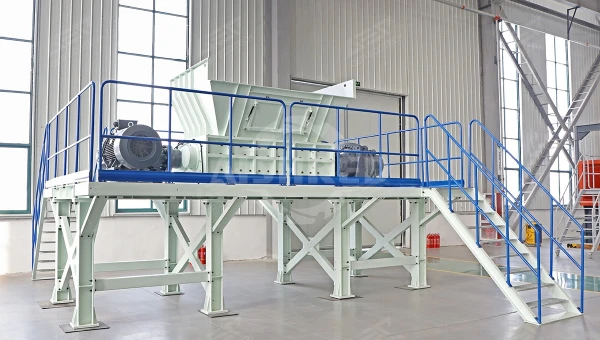
Agricultural film, a crucial tool for increasing yield and preserving moisture in modern farming, brings economic benefits while also creating a growing "white pollution" crisis due to its non-biodegradable nature. Broken residual film entangled in soil hinders water and fertilizer penetration, affects crop root growth, and damages soil structure, directly threatening food security and ecological health. Therefore, promoting the scientific recycling and resource utilization of waste agricultural film has become a key task for rural revitalization and ecological civilization.Recycling Waste Agricultural Film: Unlocking Triple Value—Economic, Social, and EcologicalRecycling waste agricultural film is a meaningful endeavor:Significant Economic Value: The main component of waste agricultural film is polyethylene (PE), a tradable renewable resource. Through efficient sorting and purification, it can be transformed into high-value recycled raw materials or high-calorific-value fuel, generating direct economic
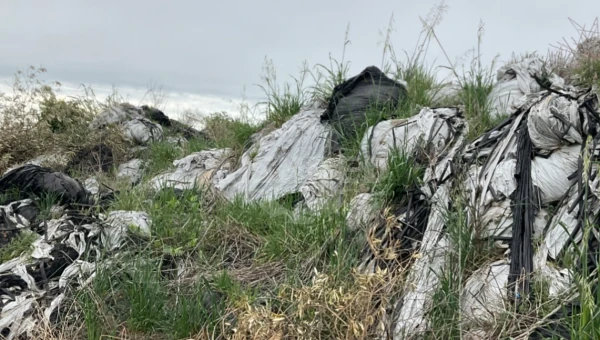

As an important helper in agricultural production, plastic film can effectively increase soil temperature, maintain soil moisture, inhibit weed growth, and create favorable conditions for crop growth. However, the main raw material for traditional agricultural film is polyethylene, which is difficult to degrade in natural environments and has become the main source of "white pollution" in farmland. Residual plastic film can damage soil structure, affect crop root growth, reduce crop yield and quality, and even cause diseases when ingested by livestock.At present, there are mainly two directions for agricultural film recycling: harmless treatment and resource utilization. Harmless treatment refers to the safe incineration or landfill of waste plastic film with low utilization value to avoid environmental pollution. Resource utilization processing can process recycled plastic film into recycled plastic pellets, which can be used to manufacture new plastic products such as garbage bags, shopping bags, and
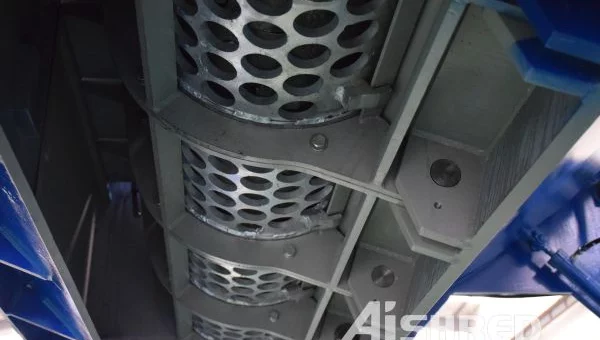
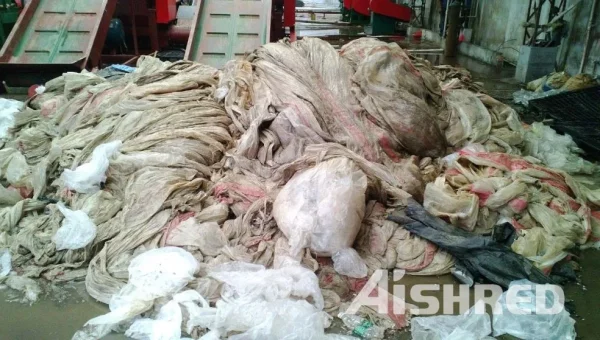
Agricultural film, also known as thin film plastic, including plastic film, is mainly used to cover farmland, improving soil temperature, maintaining soil moisture, promoting seed germination and rapid seedling growth, and inhibiting weed growth. The main component of agricultural film is non degradable polyethylene, so waste agricultural film can cause certain pollution to soil and water sources, and its recycling is very necessary. The methods for waste agricultural film recycling include:Compression landfill: Waste agricultural film is compressed and sent to a landfill site, which is commonly used but not advocated.Thermal energy utilization: During the incineration process of discarded agricultural film, a large amount of thermal energy is released for heating or power generation, which poses a certain environmental pollution risk.Artistic creation: Create artwork or daily necessities through creative design.Recycling: Agricultural film is processed into recycled plastic particles through drying,