
Organic Waste Recycling involves the transformation of biodegradable waste materials into valuable resources like compost or biogas. This process is crucial for sustainable waste management, reducing landfill use and contributing to the natural cycle of organic matter.
For places such as supermarkets, farmers' markets, hotels, and restaurants that generate fruit and vegetable waste every day, the problems of limited space, small disposal volume, and the need to dispose of waste as quickly as possible have always been headache issues. To address this demand, GEP ECOTECH has launched a mature and stable fruit and vegetable waste shredding and pressing integrated machine. The equipment has a compact structure, specially designed for small spaces. It can typically reduce the volume and weight of fruit and vegetable waste by 60% to 90%, significantly lowering subsequent storage, transportation, and disposal costs.Design Philosophy and AdvantagesThis equipment adopts two compact layout approaches to maximize on-site space savings.The first is a vertical integrated design. Traditional shredding plus pressing processing often requires a conveyor belt to connect two pieces of equipment, occupying a large area. This equipment vertically stacks the shredder and the press, allowing
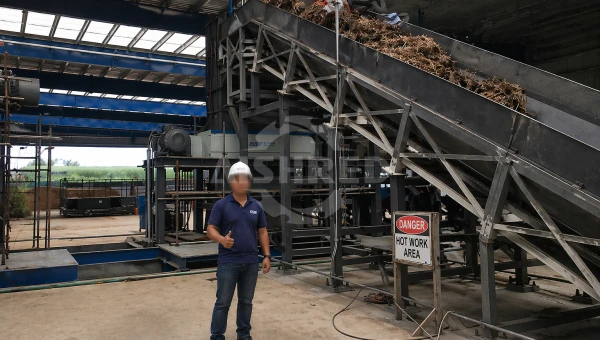
Client Name: A large bioenergy company in the PhilippinesClient Requirements: Processing approximately 200 tons of various organic raw materials per day, including livestock manure (pig and cattle), bagasse, crop straw, coconut fiber, banana stalks, etc., requiring the finest possible particles for use in a biogas plant.Configuration Scheme: A two-stage crushing process is adopted: primary crushing (twin-shaft shear shredder) + fine crushing (high-speed hammer mill). This balances processing efficiency and output fineness, increases biogas production, shortens fermentation tank residence time, and converts 60,000 tons of biomass into 3.5 million cubic meters of biogas annually.Process Flow Diagram: Organic Raw Materials → Chain Conveyor → Twin-shaft Shear Shredder (Primary Crushing) → Magnetic Separation for Iron Removal → High-Speed Hammer Mill (Fine Crushing) → Slurry Preparation → Anaerobic DigesterCustomer Testimonial: "We chose this system because we firmly believe that the finer the material is
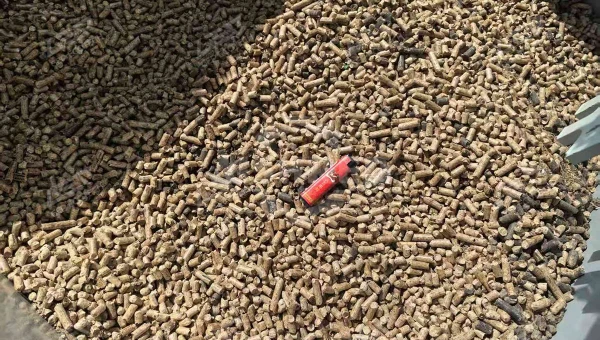
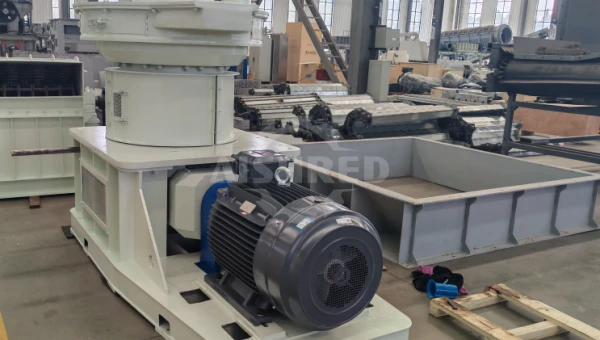
Animal manure is one of the most common agricultural wastes. If not treated properly, it can pollute soil, contaminate water sources, and release unpleasant odors. However, with advanced processing technology, manure can be turned into valuable resources such as organic fertilizer or biomass fuel. GEP ECOTECH provides complete solutions for manure treatment, following the process of screw pressing, drying, shredding, and pelletizing—helping farms and treatment plants achieve safe disposal and Organic Waste Recycling.Step 1: Screw Pressing—Efficient Solid-Liquid SeparationThe first step in manure treatment is solid-liquid separation. Using a screw press dehydrator, excess water is removed from fresh manure. This reduces moisture content, lowers transportation costs, and makes the material suitable for drying. GEP ECOTECH's screw press machines are built for continuous, reliable operation with minimal maintenance.Step 2: Drying—Reducing Moisture for StabilityAfter solid-liquid separation, the semi-dry manure
A leading chocolate producer in Southeast Asia recently approached us with a highly specialized challenge: processing 600 kg of chocolate blocks per hour by reducing 400–500 mm raw materials down to fine 15 mm particles. Considering the unique physical and chemical properties of chocolate—its low melting point, sensitivity to temperature, and hygiene requirements—GEP ECOTECH designed a fully customized solution using food-grade stainless steel shredding equipment.Why Shred Chocolate?Chocolate shredding plays a critical role in various stages of food production and processing:Waste Reduction & Reuse: Off-spec products, expired inventory, or returned goods can be shredded and reprocessed to minimize loss and waste.Efficient Melting: Smaller chocolate particles melt faster and more uniformly, improving energy efficiency and reducing heating time.Automated Processing: Many food production lines require chocolate chips or shavings for use in cookies, ice cream, pastries, or beverage mixes. Uniform particle sizes
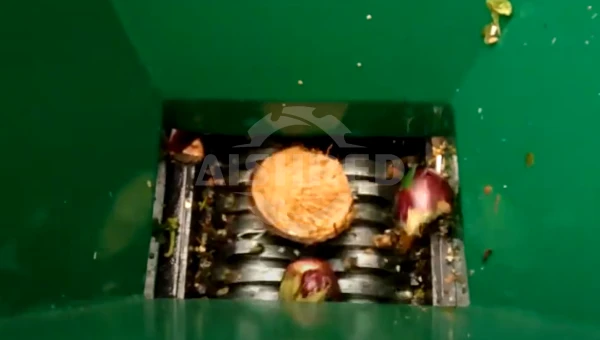
Dry anaerobic fermentation is a new technology that has developed very rapidly in recent years, and has good application prospects in livestock and poultry manure treatment, straw gas production and organic waste treatment. The general treatment method of organic waste is composting, anaerobic fermentation and comprehensive utilization. Organic waste treatment system through crushing, squeezing dry, put into microbial fermentation and other steps, so that organic waste into fertilizer, to achieve the organic waste resource treatment. After fermentation for about a week, it becomes fertilizer for planting vegetables and fruits. Key equipment:Dry anaerobic fermentation pretreatment equipment shredderThe sorted organic waste contains more organic matter, such as rotten fruits, vegetables, meat pieces, etc. Direct anaerobic fermentation of voluminous material in the pipeline or stirring in the fermenter will have an impact on the stable operation of the equipment, while the anaerobic fermentation is not
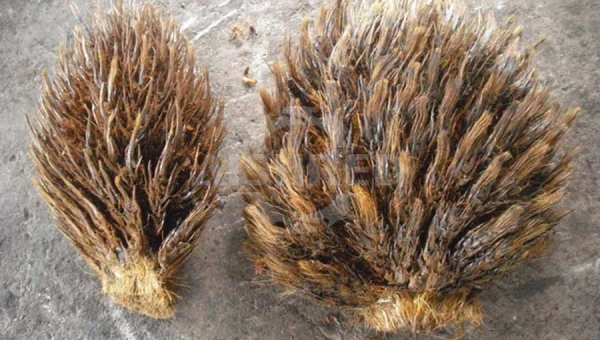
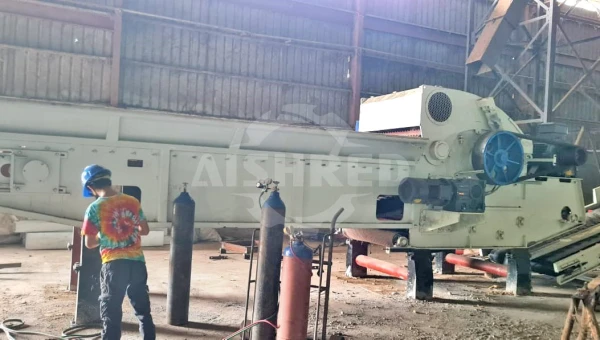
The production of palm oil in Central and South America and Southeast Asia is an important industry. After the brown ripens, the fruit separates from the stem, leaving an empty fruit bunch (EFB) as a waste. Every year, tens of millions of tons of EFB are generated, and research on the possibility of utilizing this waste is also ongoing.EFB is by-product of oil palm fruit after being pressed, with rich cellulose, hemicellulose, and lignin components. They can be recycled and reused in various ways:1. Composting: EFB can be used as organic material for composting treatment. Through the action of microorganisms, EFB can be decomposed into nutrient rich organic fertilizers for agricultural production, improving soil structure and fertility.2. Biofuels: EFB can be converted into biofuels through technologies such as pyrolysis, gasification, and anaerobic fermentation. For example, pyrolysis can convert EFB into bio oil, biochar, and combustible gases; Anaerobic fermentation can produce biogas.3. Pulp and
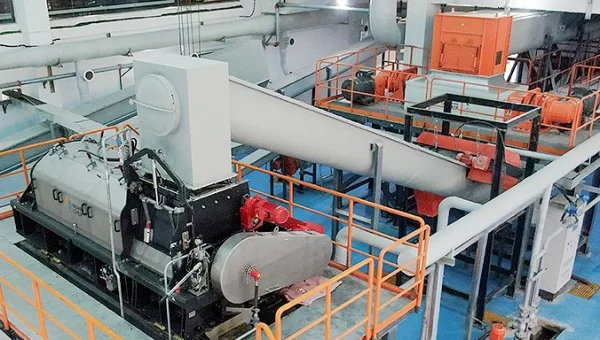
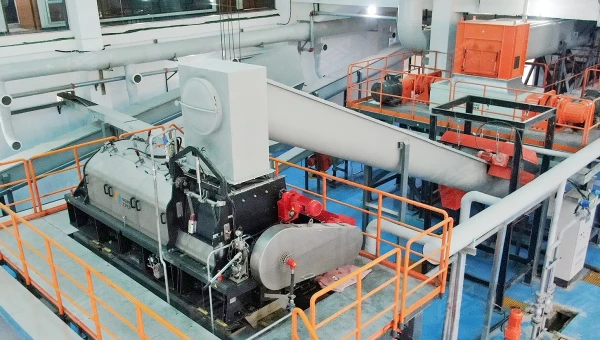
Organic waste is one of the last things that should end up in landfills, as it can be easily transformed into feed, fertilizer, or biogas with simple processing. However, the reality presents challenges as a significant amount of urban organic waste accumulates and causes environmental pollution due to insufficient disposal capacity, leading to the production of biogas, wastewater, and foul odors. Additionally, many organic waste streams are contaminated with non-organic components, posing a challenge in efficient separation.GEP ECOTECH's organic solid waste solution offers a complete suite of technologies for handling organic waste, including shredding, dewatering, sorting, bioprocessing, and safe disposal. Our comprehensive technical solutions also encompass the management of gases and liquids generated during the process.